Sometimes the hardest battles are the ones nobody else can see.
Someone can appear at work, at school or even in the dojo and seem absolutely fine. They may laugh, train, talk and carry on as normal, while privately feeling lonely, overwhelmed or as though they have lost their way.
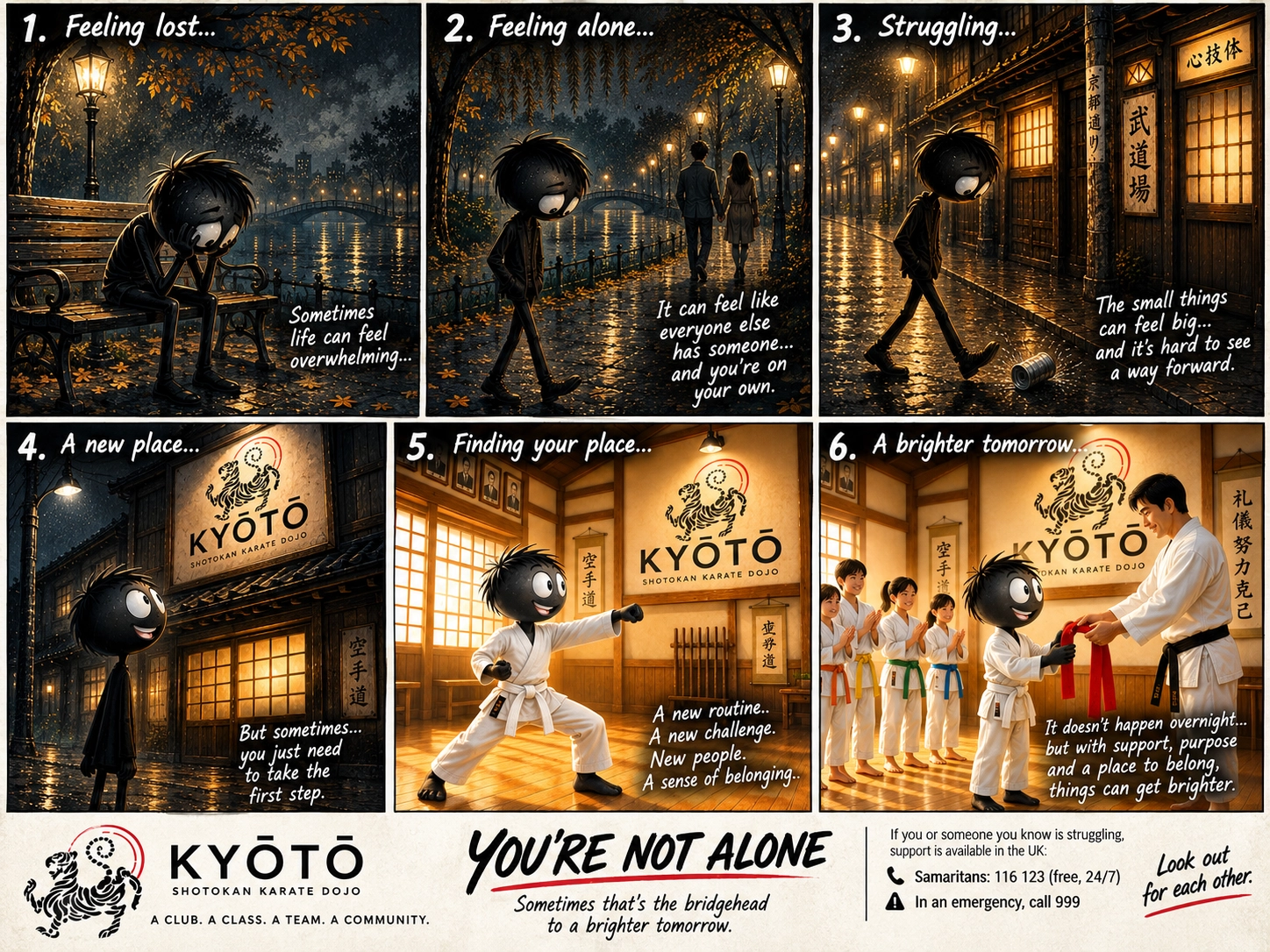
Our storyboard tells a simple fictional story.
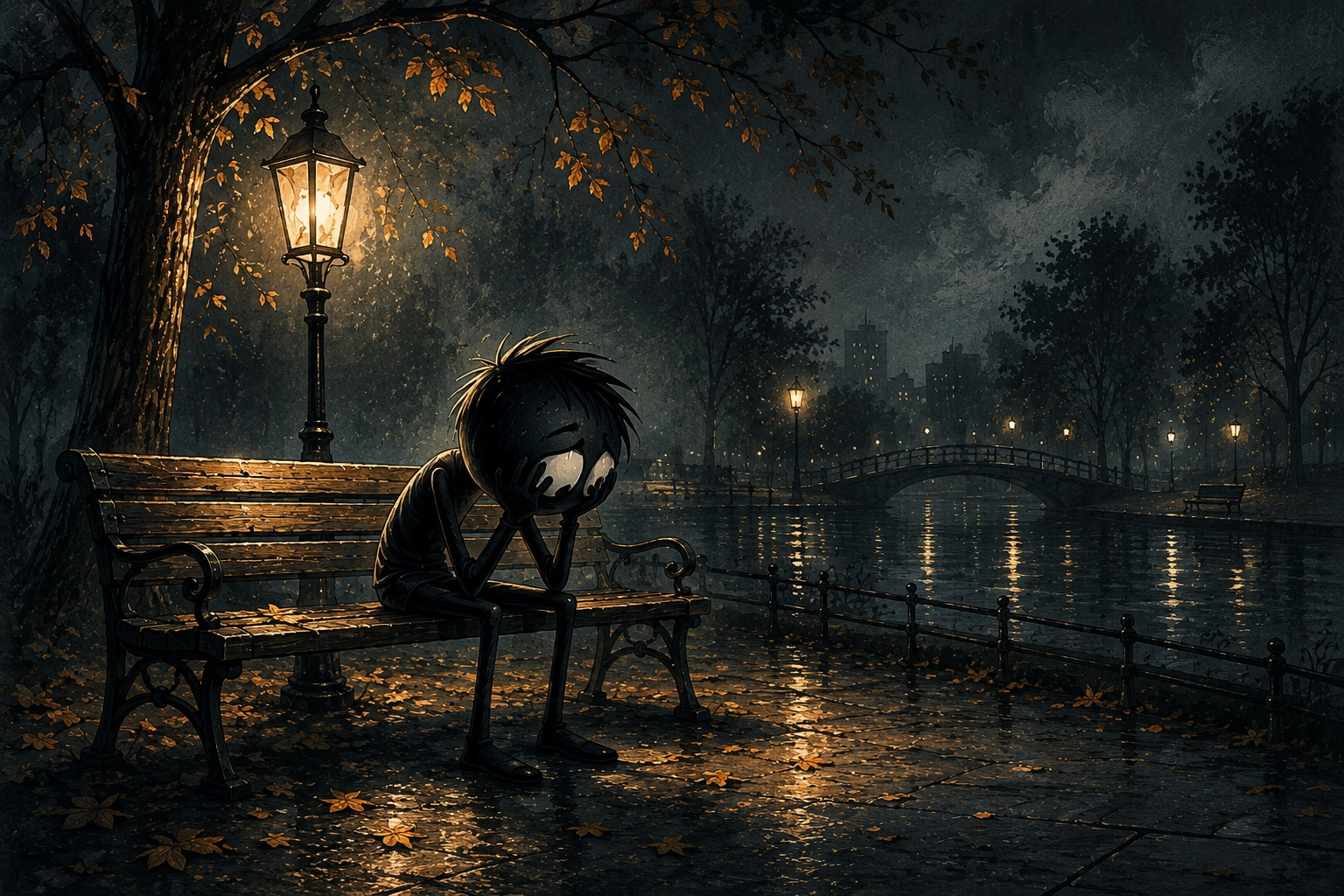
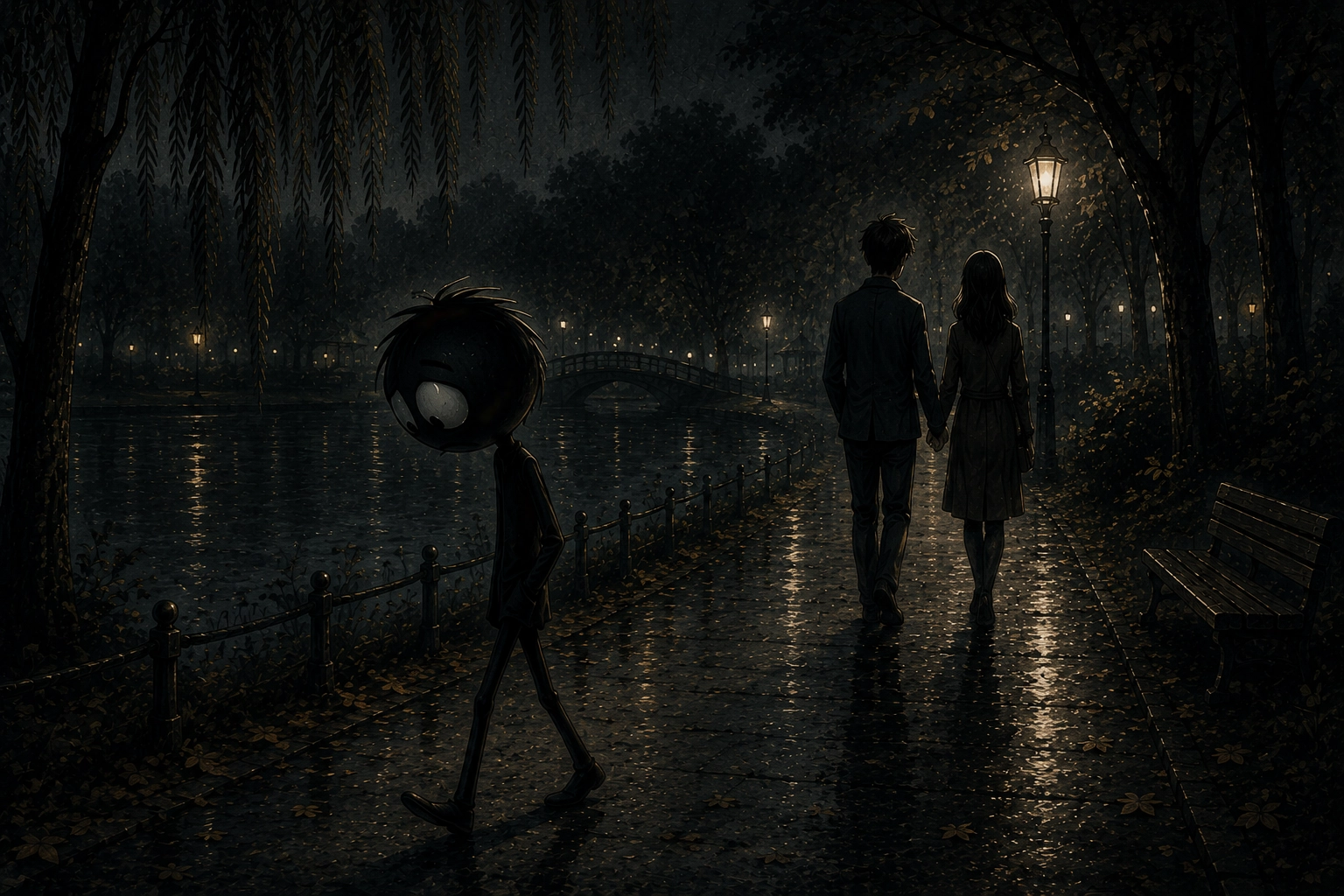
A person sits alone on a park bench, struggling with their thoughts. They walk through the park and see other people together, reinforcing that feeling of isolation. They wander the streets with nowhere in particular to go.
Then, almost by chance, they notice a light.
A dojo.
They walk through the door.
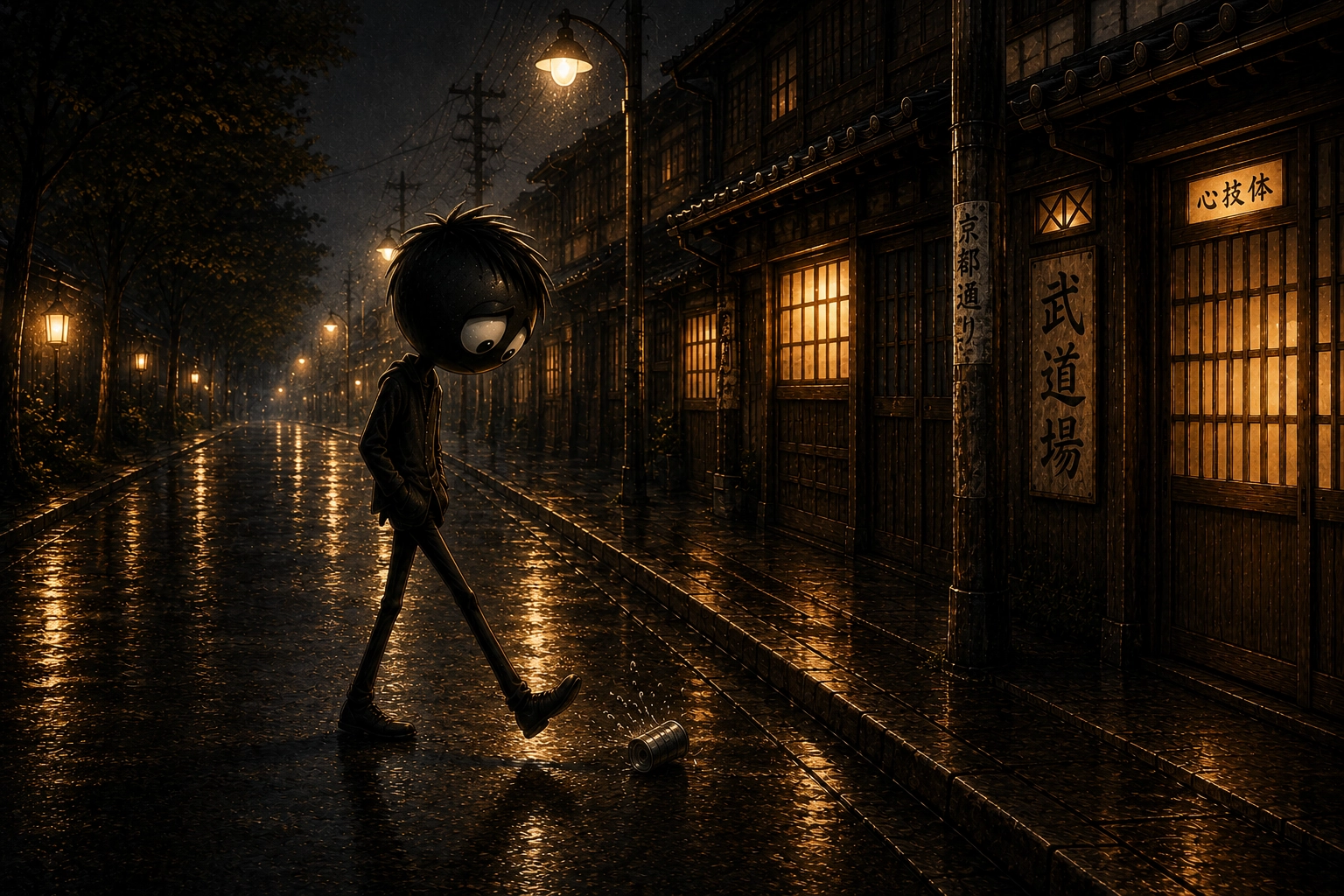
Sometimes the first step is simply walking through the door
Karate isn’t a cure for depression, anxiety or other mental-health difficulties, and a karate instructor is not a substitute for professional help.
But a good dojo can offer something incredibly valuable: connection.
You turn up at the same place each week. People begin to recognise you. Someone says hello. Someone notices when you’re missing. You train alongside people of different ages, backgrounds and abilities, all working towards their own goals.
Slowly, you become part of something.
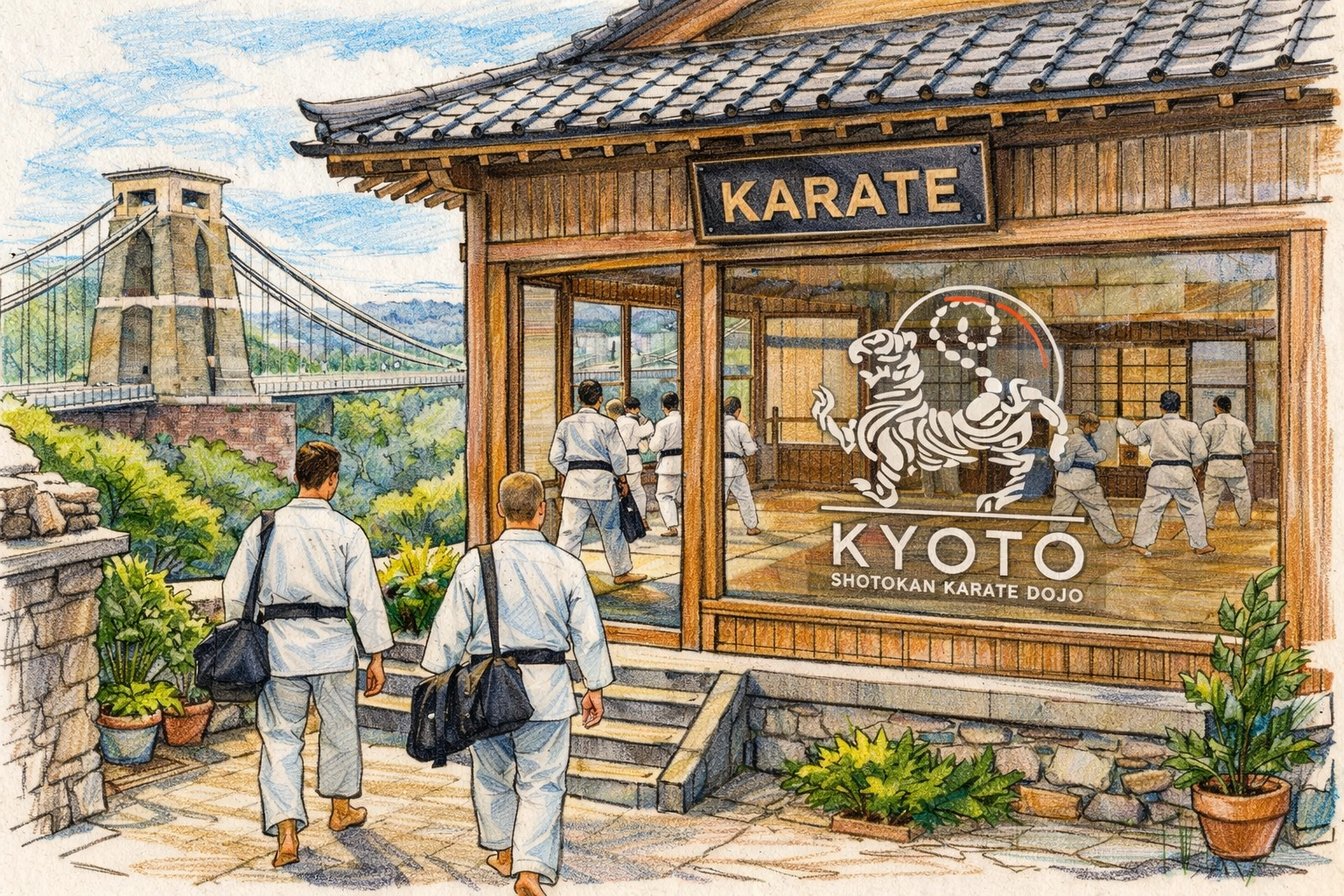
At Kyōtō, we’ve always believed that a dojo should be more than somewhere you learn how to punch, kick and perform kata.
It should be a community.
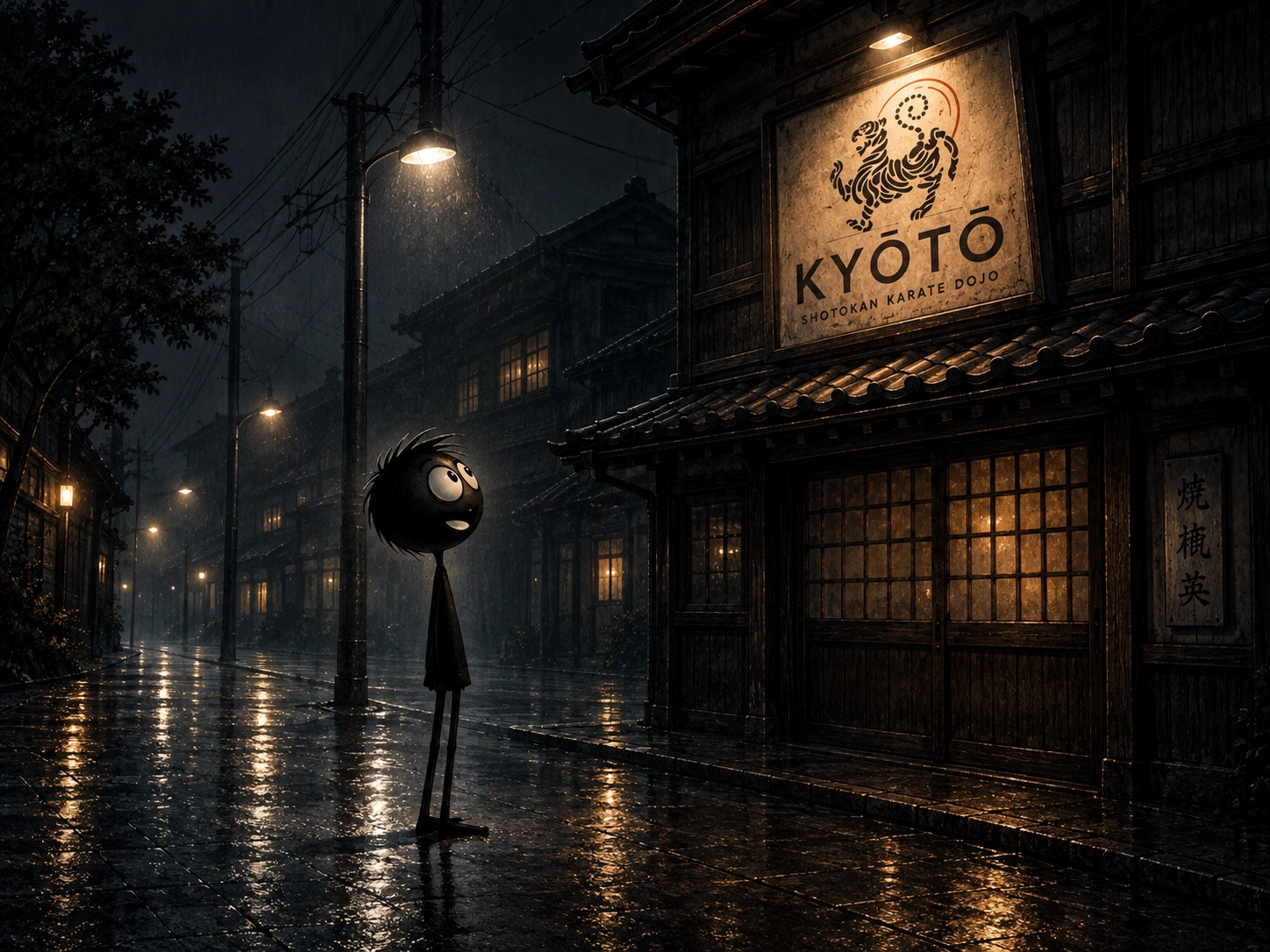
A new routine. A new challenge. New people.
For someone who is struggling, even getting through the day can sometimes feel difficult. Having somewhere to be on Tuesday evening, Wednesday evening, Thursday evening or Friday afternoon might seem like a very small thing.
But small things can matter.
Karate gives us goals that don’t have to be enormous.
Learn that technique. Get through tonight’s class. Remember the next movement of the kata. Improve that stance. Work towards the next belt.
And alongside those goals come people who are travelling with you.
Your training partners become familiar faces. Familiar faces can become friends. Friends can become people who notice when something isn’t quite right.
The final picture in our storyboard shows a belt presentation. The belt itself isn’t really the important part.
It’s what happened between walking through the door and receiving it.
The classes attended. The difficult evenings when they still turned up. The conversations. The laughter. The encouragement. The friendships. The feeling of having somewhere they belong.
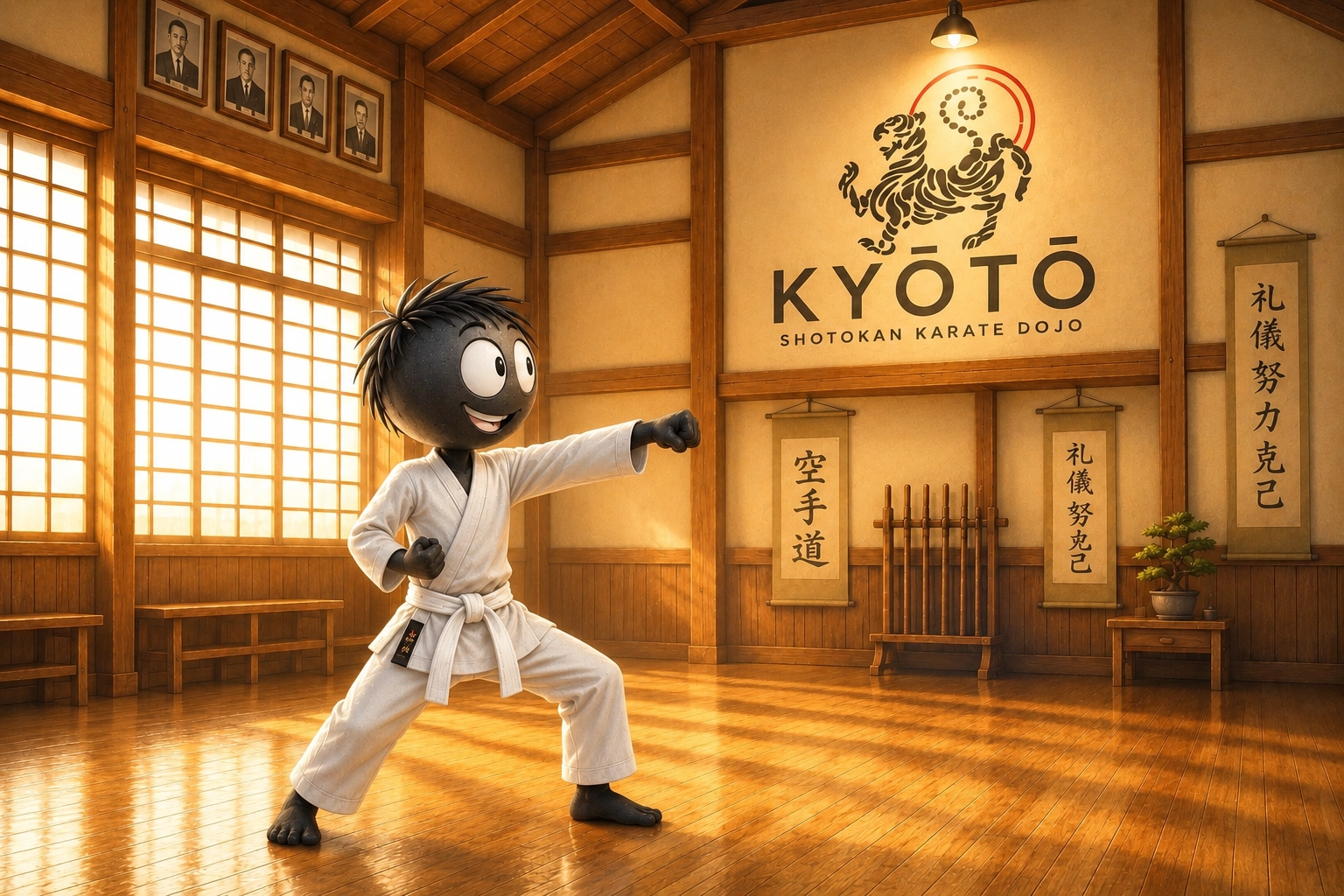
Look out for each other
There’s another side to this message, and it’s perhaps the most important one.
Look around your dojo.
Is someone who normally trains regularly suddenly missing?
Has someone become unusually quiet?
Does a training partner just seem a little different?
You don’t need to diagnose them. You don’t need to know what to say. You certainly don’t need to try to solve everything for them.
Sometimes a simple message is enough to open a door:
“Haven’t seen you at training lately. How are you?”
And if you ask someone how they are, give them the opportunity to answer honestly.
The same applies beyond karate. Check on your friends, family, colleagues and neighbours.
A small act of human connection might mean far more than you realise.
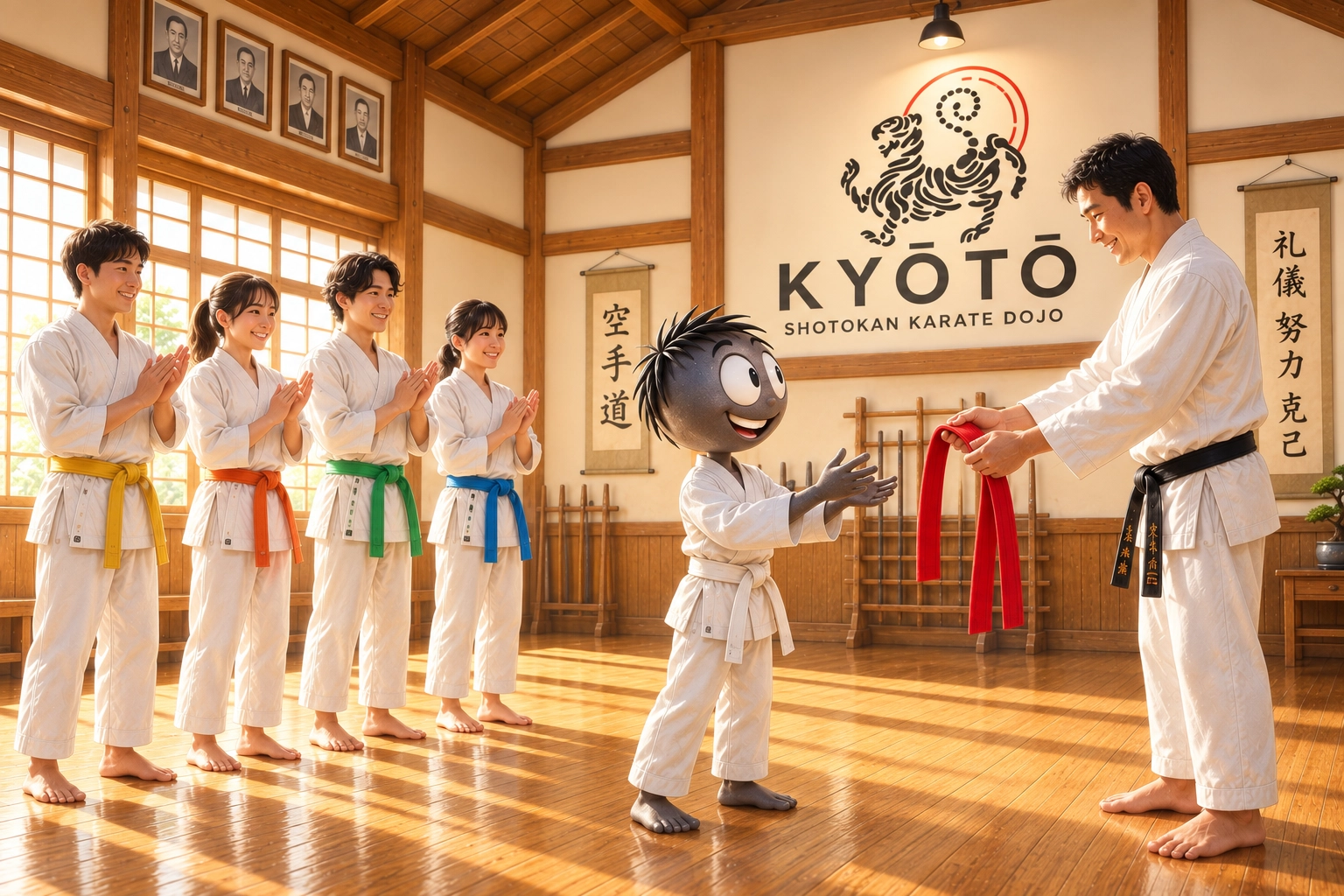
The dojo door is open
If you’re going through a difficult period yourself, remember that asking for help is not weakness.
Talk to somebody you trust. And where appropriate, seek professional support.
Karate might become one small part of rebuilding routine, confidence, friendships and a sense of belonging — but nobody should feel they have to deal with serious mental-health difficulties alone.
Our storyboard ends somewhere very different from where it began.
Not because putting on a karate gi magically fixed everything.
But because one small step led to another.
A door was opened.
A connection was made.
And sometimes that’s the bridgehead to a brighter tomorrow.
You’re not alone.
A club. A class. A team. A community.
If you or someone you know is struggling in the UK, you can contact Samaritans free, 24 hours a day, on 116 123. If there is an immediate danger to life, call 999.