
Karate Articles
Welcome to the Kyōtō Shotokan Karate Articles section — a growing collection of articles exploring the technical, philosophical, historical, and personal aspects of traditional karate training.
These articles draw upon decades of Shotokan experience within the SKIF lineage, combining practical dojo knowledge with Japanese culture, training methodology, mindset, biomechanics, and lifelong learning.
Whether you are a beginner taking your first steps into the dōjō, or an experienced karateka continuing the path, we hope these writings provide insight, reflection, and inspiration for your own karate journey.
Featured Article
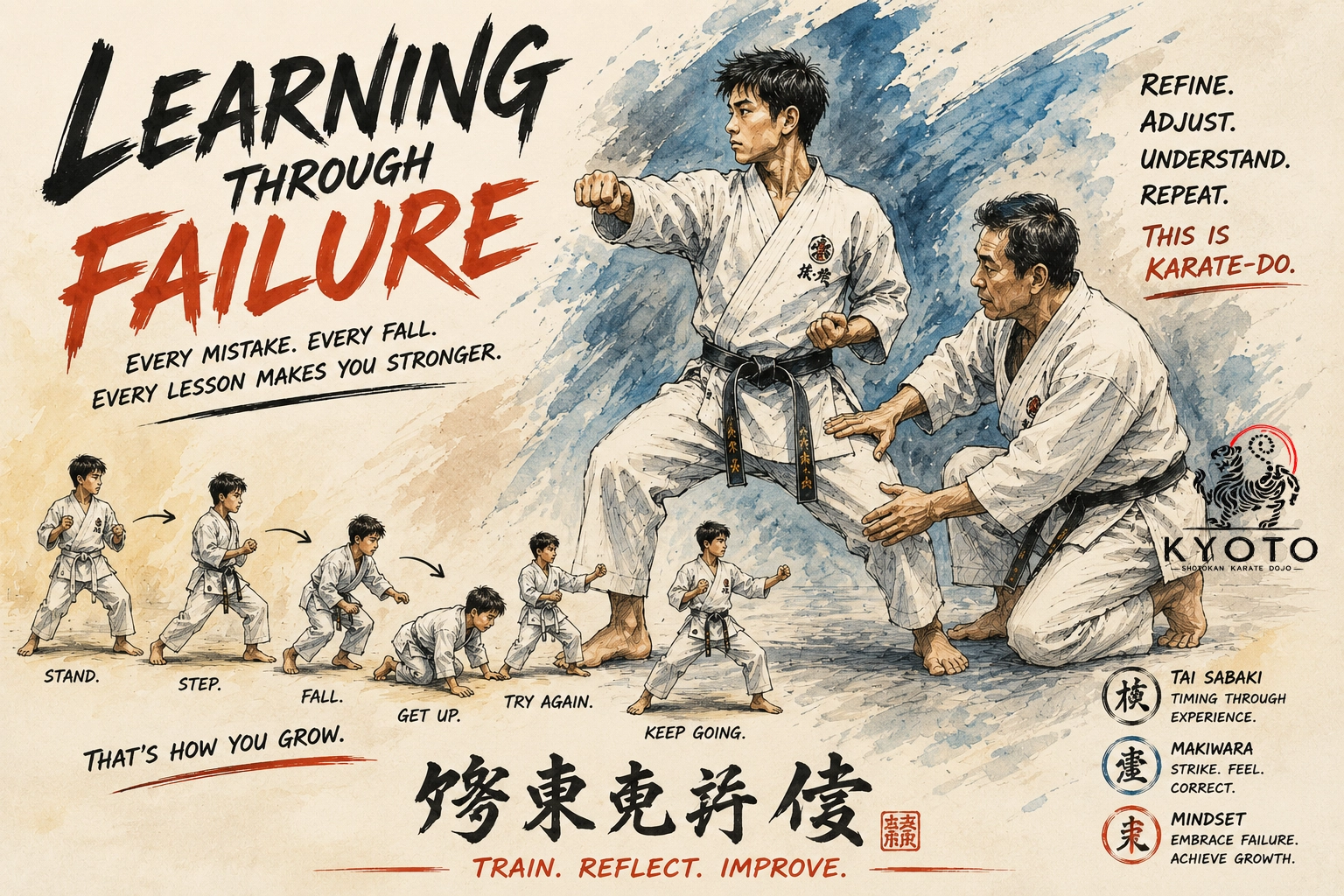
Failure is an essential part of karate development. From a beginner learning balance for the first time, to a senior grade refining timing, distance, and body mechanics, progress often comes through mistakes, correction, and repetition. This article explores how failure shapes technical understanding, resilience, and long-term growth within traditional karate training.
Mindset and Psychology
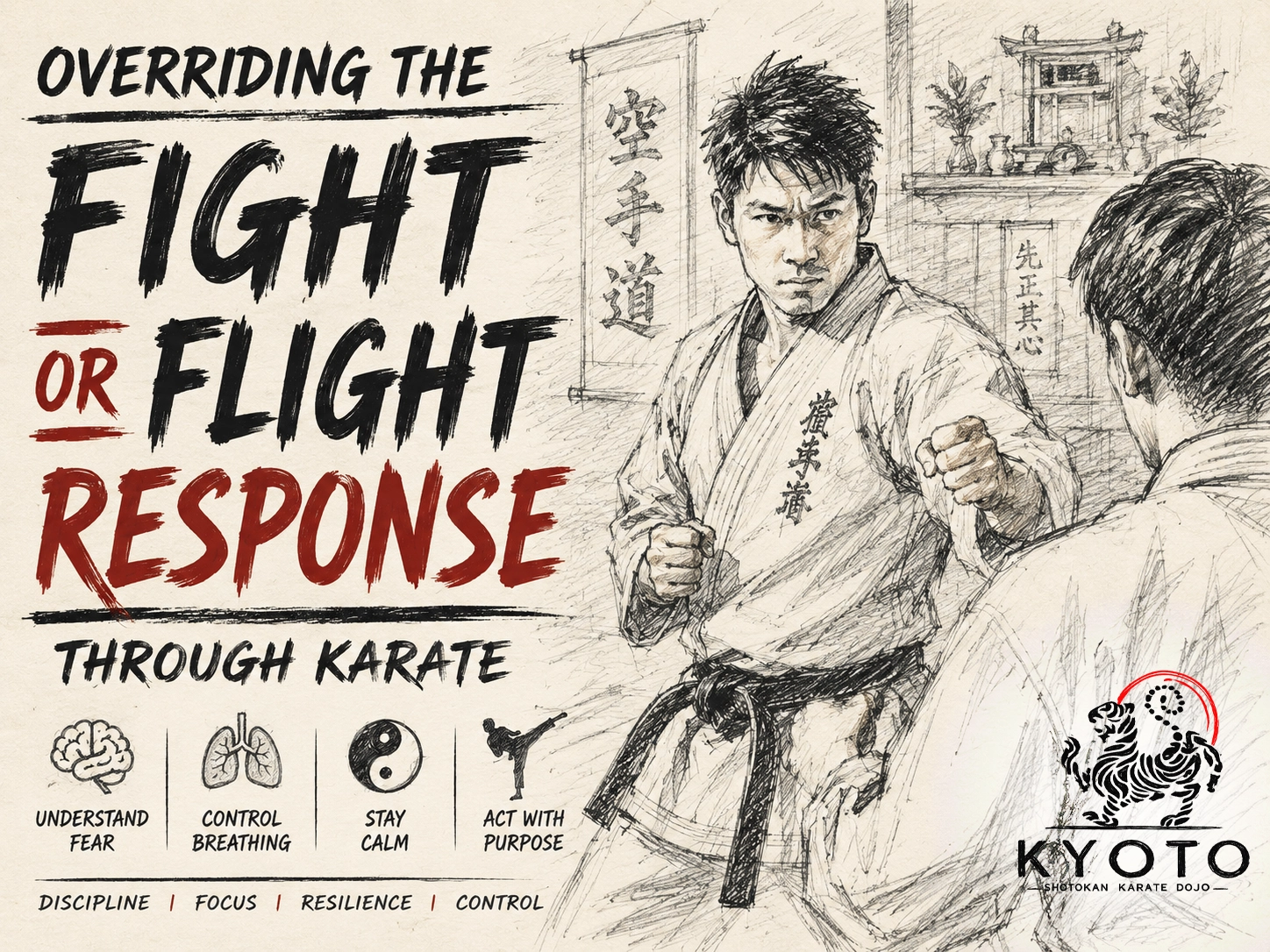
Overriding the Fight or Flight Response Through Karate
Karate training develops more than physical technique. This article explores how traditional Shotokan practice helps students manage fear, stress and pressure through breathing, repetition, composure and controlled exposure.
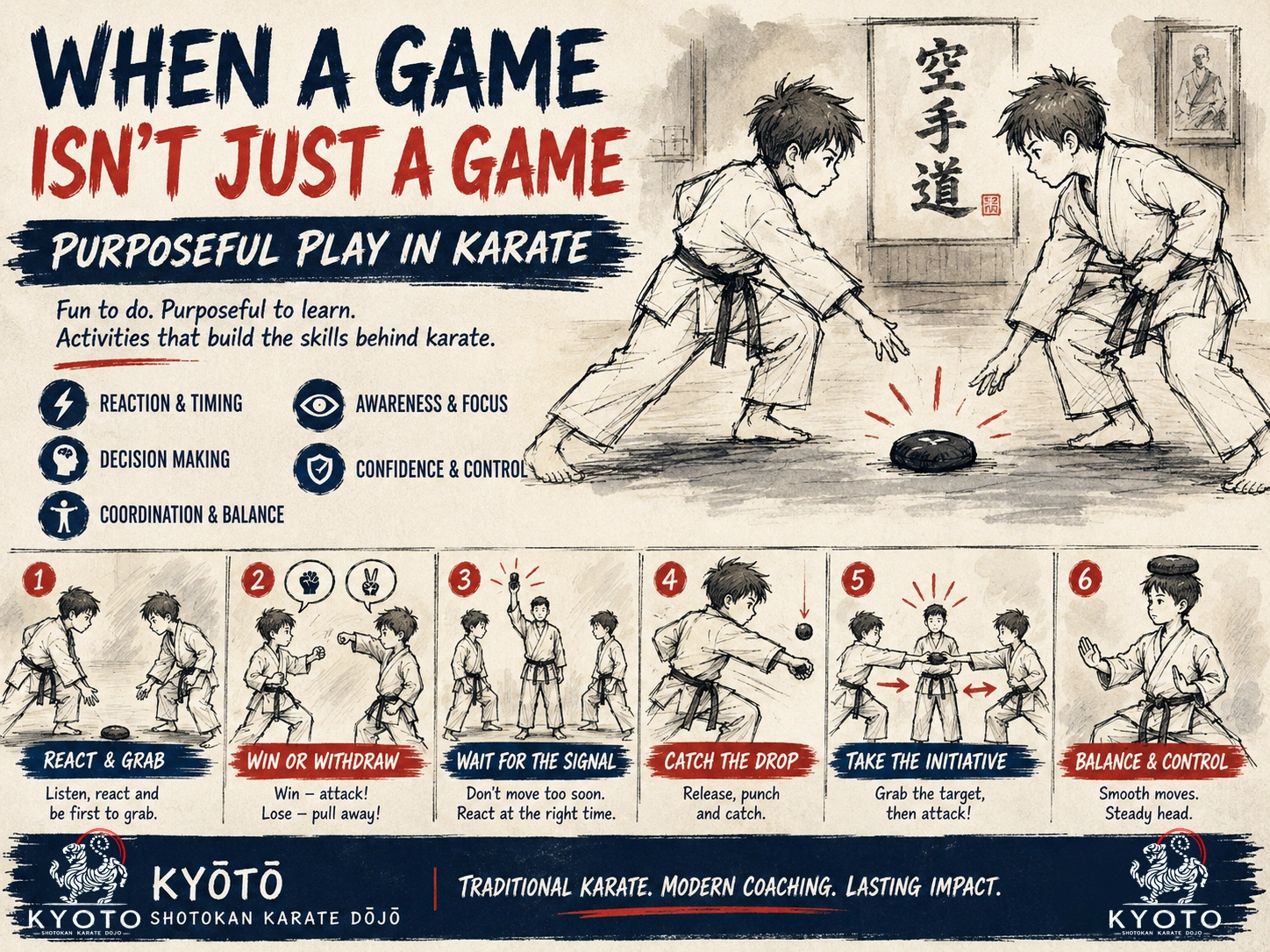
When a Game Isn’t Just a Game: Purposeful Play in Karate
At first glance, they may look like simple games, but every activity in the dōjō has a purpose. Discover how reaction challenges, balance exercises and partner drills help develop the timing, coordination, awareness and decision-making that underpin traditional Shotokan karate.
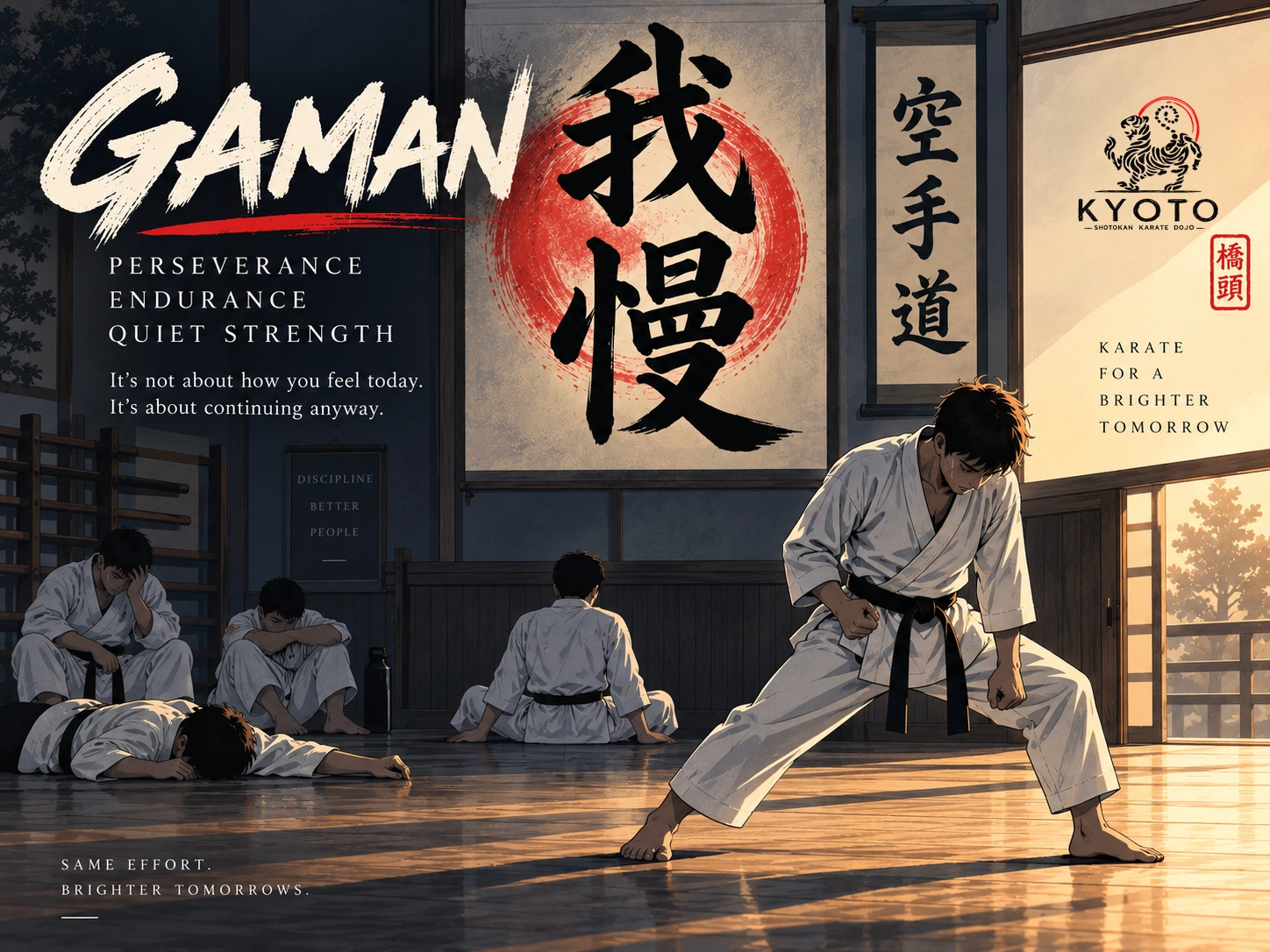
Gaman (我慢) in Karate – Endurance, Perseverance and Quiet Strength
Gaman (我慢) is the Japanese concept of perseverance, patience and enduring difficulty with dignity. From repeating kihon and coping with grading setbacks to remaining composed under pressure, discover how traditional karate quietly develops gaman both inside and outside the dōjō.
Dōjō Culture & Tradition
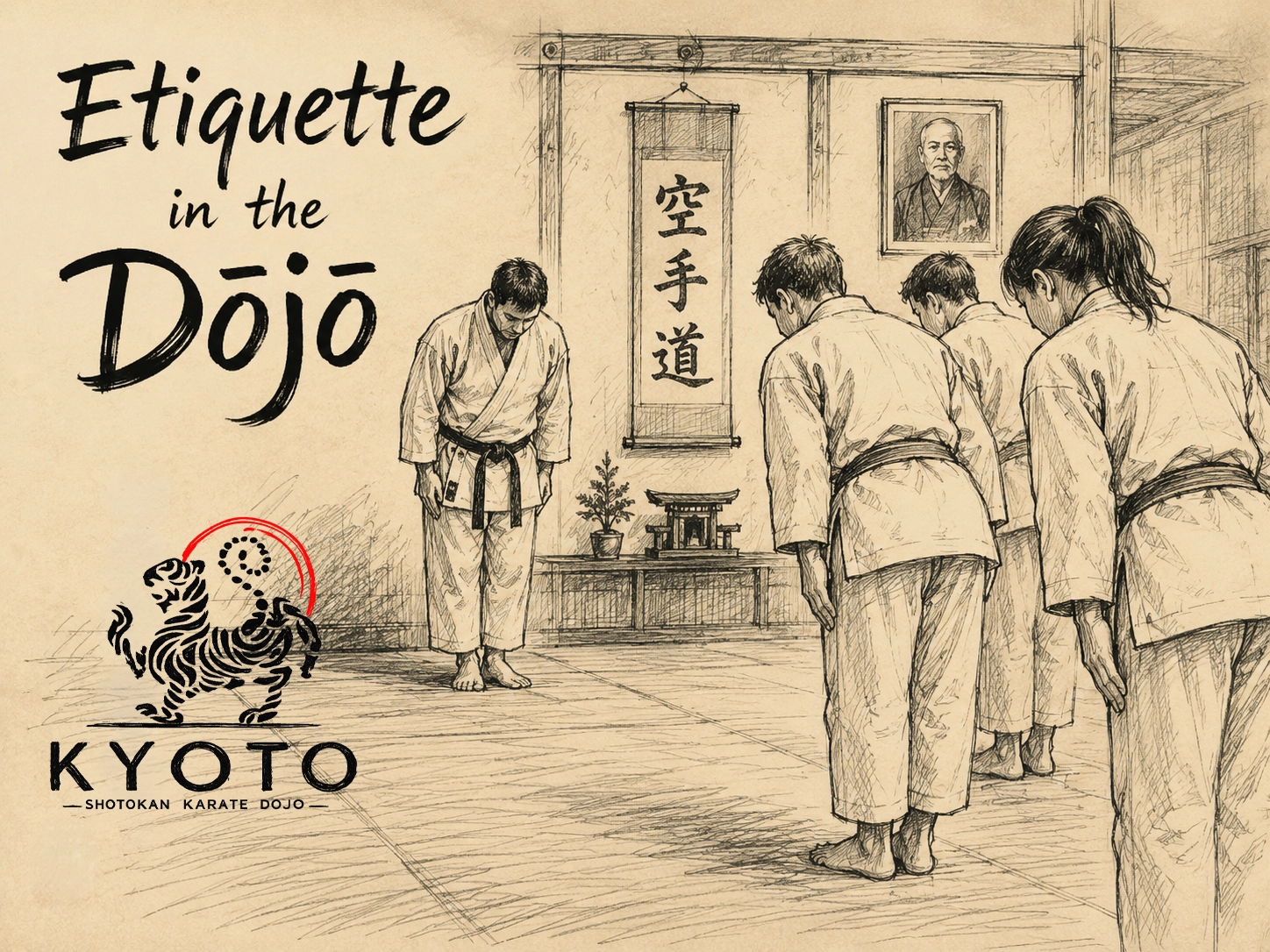
Etiquette in the Dōjō
Why do karateka bow, line up, and follow dōjō etiquette? Far more than tradition, these practices help create respect, trust, discipline and the right mindset for learning. This article explores the deeper purpose behind etiquette in traditional karate training and how its lessons extend far beyond the dōjō.
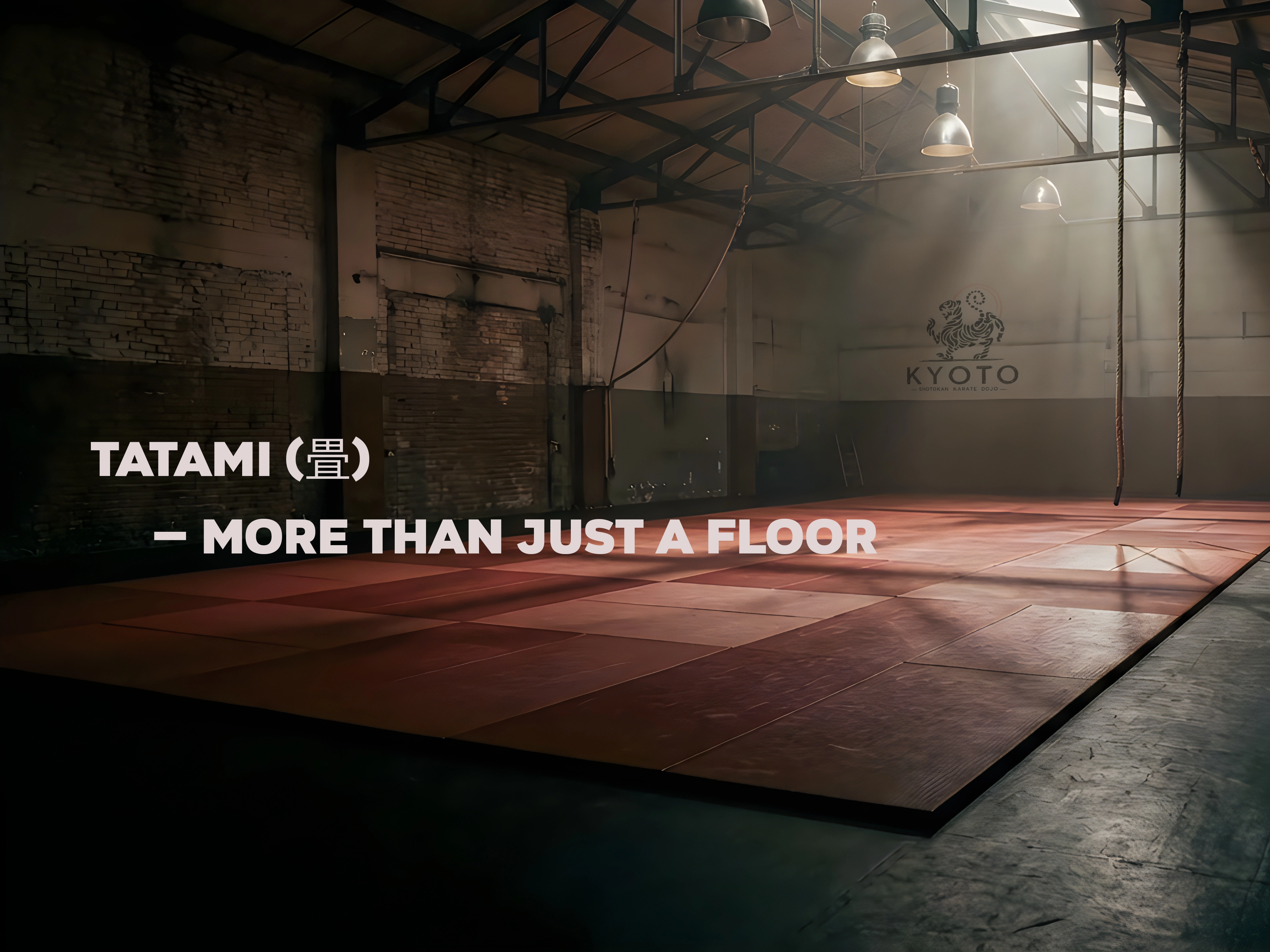
Tatami (畳) — More Than Just a Floor
Most karateka think of tatami as simply the mats beneath their feet, but these competition surfaces influence movement, timing, distancing and mindset. In this article, Kyōtō explores the history of tatami, why traditional karate was often practised on hard floors, and how training on both everyday hall surfaces and a dedicated 12m × 12m competition tatami area helps develop adaptable, well-rounded karateka.
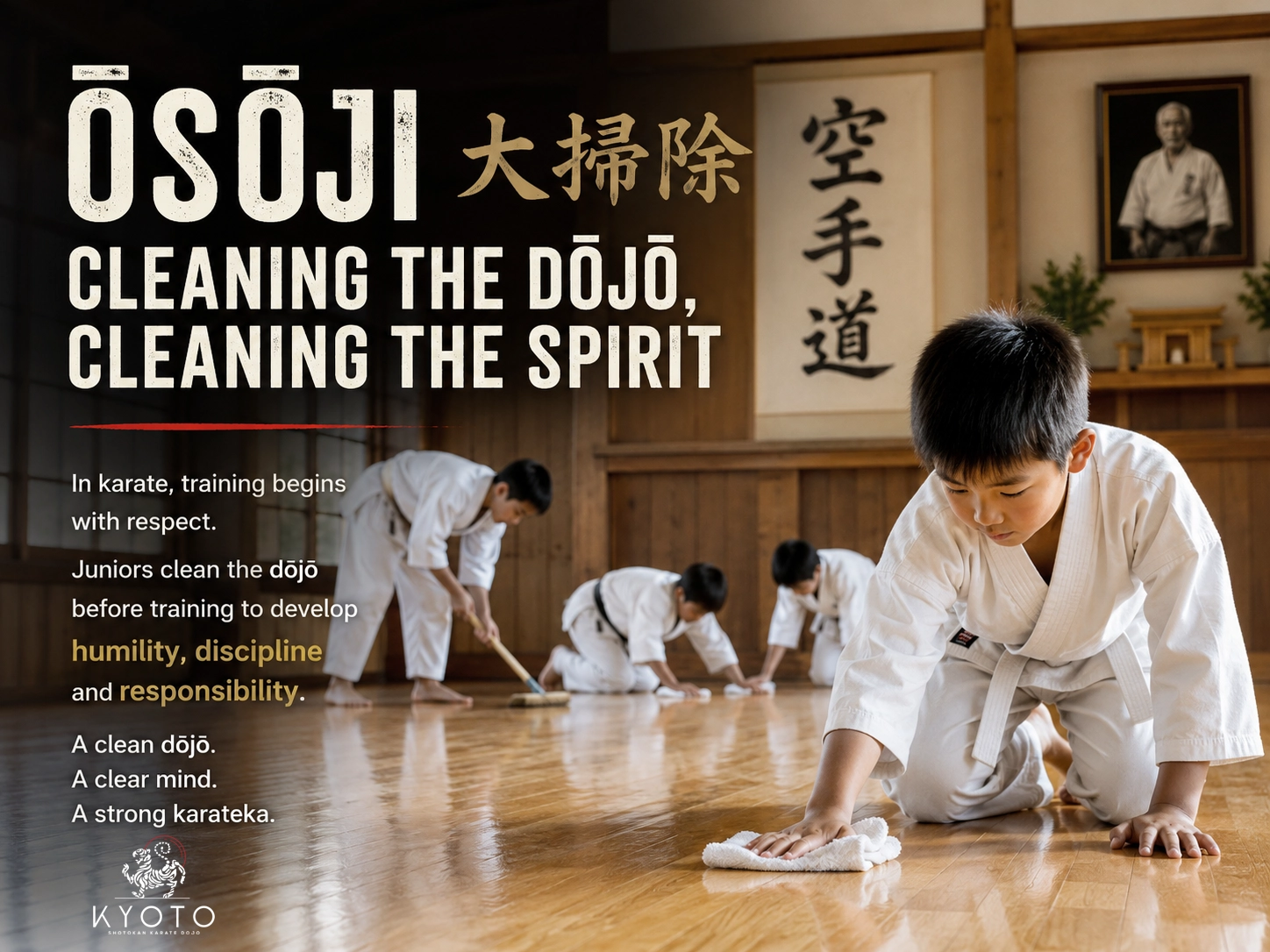
Ōsōji (大掃除) – Cleaning the Dōjō, Cleaning the Spirit
Why do karate students clean the dōjō before training? This article explores the Japanese tradition of Ōsōji (大掃除), the role of junior students in preparing the training space, and how cleaning develops respect, humility, discipline and pride in the dōjō. More than housekeeping, Ōsōji is an important part of traditional karate culture and character development.
Philosophy
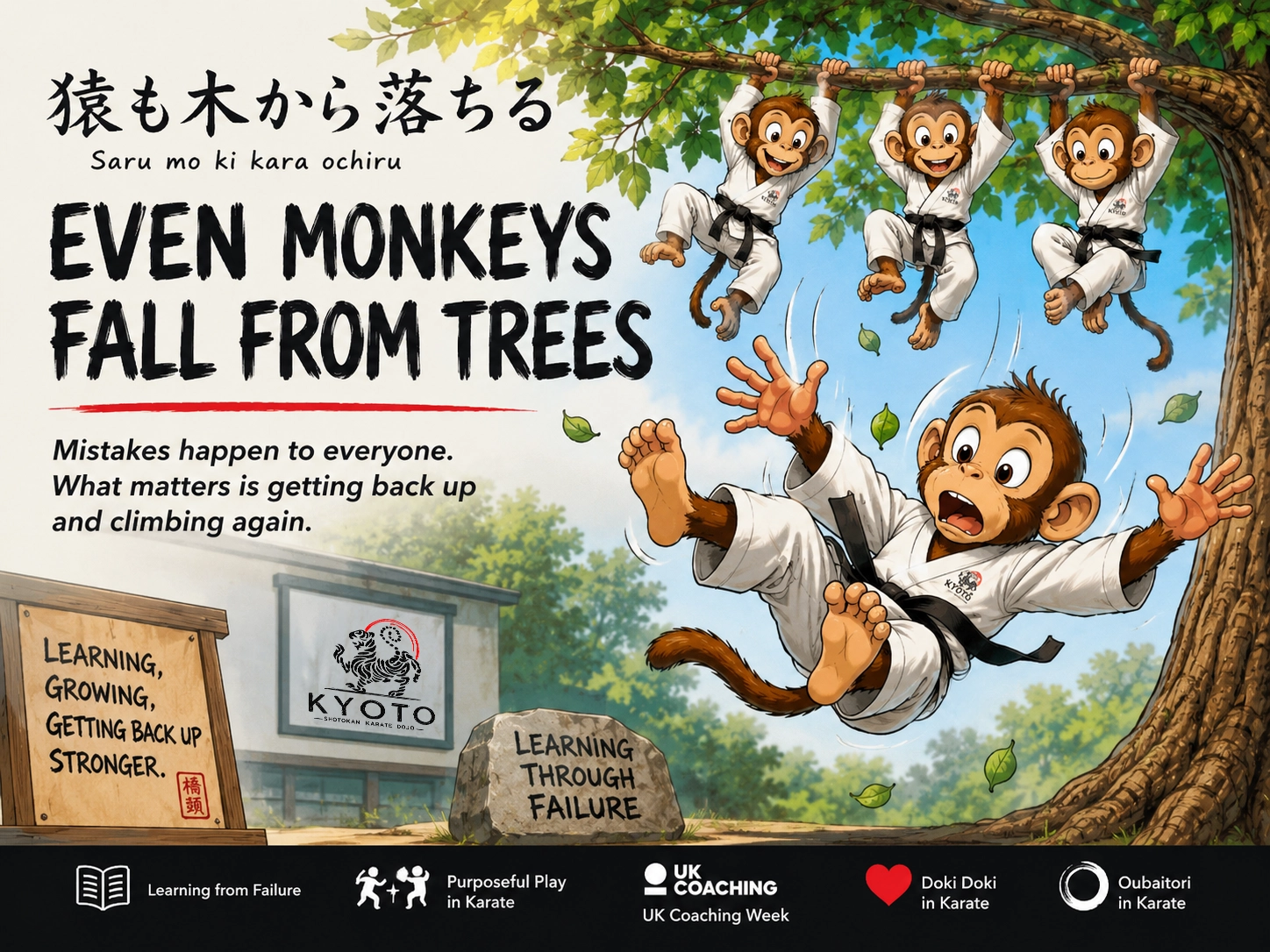
Saru mo Ki Kara Ochiru (猿も木から落ちる) – Even Monkeys Fall from Trees
The Japanese proverb Saru mo Ki Kara Ochiru reminds us that even experts make mistakes. In karate, setbacks are not signs of incompetence but opportunities for growth, humility, and continuous improvement.
History & Lineage

Takushoku University Karate Club
The karate club at Takushoku University has produced some of the most influential Shotokan karate masters in history, including Hirokazu Kanazawa Sōke, Shiro Asano Hanshi and Manabu Murakami Shuseki. Discover how its demanding training culture helped shape modern karate and why its legacy continues to influence traditional dojos such as Kyōtō today.