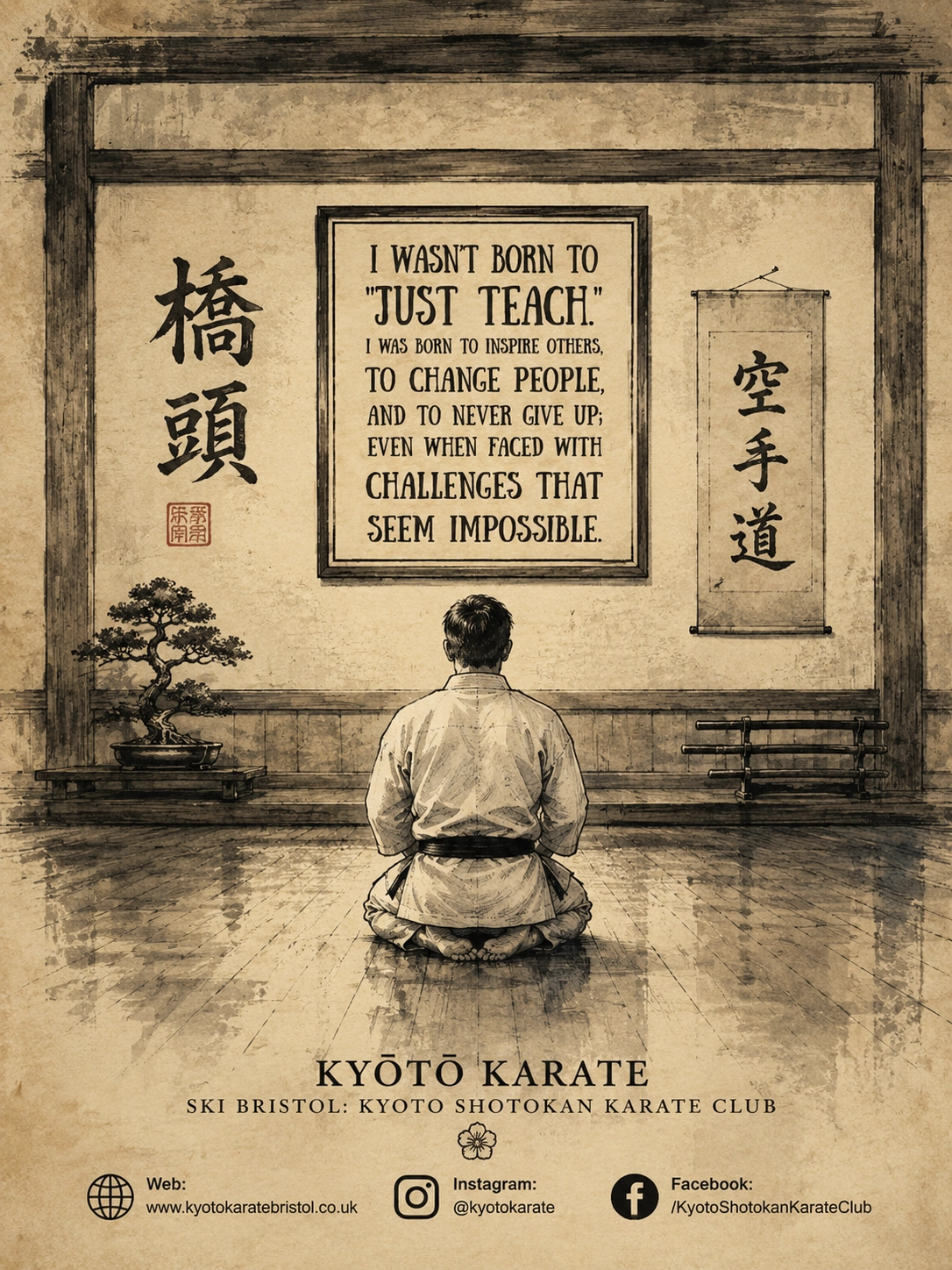
Tuesday 6th October marks National Coaches Day, an opportunity to recognise the people who teach, encourage, challenge and inspire others to become better than they were yesterday.
In karate, we might more naturally use words such as Sensei and Instructor, but coaching is an important part of what we do. Whether preparing a competitor for a championship, helping a beginner master their first technique or encouraging someone through a difficult grading, a good coach can have an influence that lasts far beyond the dōjō.
More Than Teaching Technique
Karate instruction is about much more than showing someone how to punch, kick or perform a kata.
A good instructor notices the student who is struggling but doesn’t want to say so. They know when someone needs correcting, when they need challenging and, equally importantly, when they simply need encouragement.
Sometimes the smallest piece of advice can completely change someone’s understanding of a technique. At other times, it might be a few words of encouragement that persuade somebody not to give up.
Those moments matter.
A Tradition Passed From One Generation to the Next
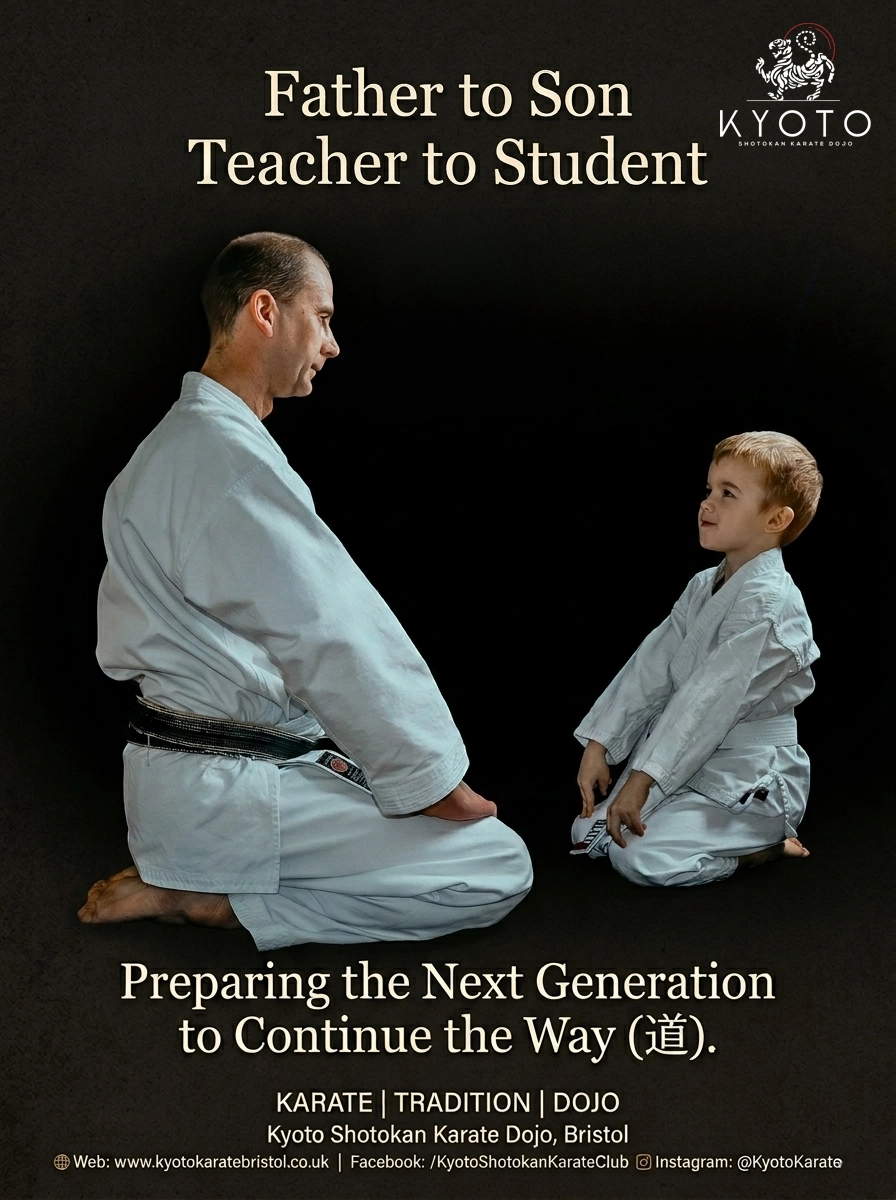 One of the special things about traditional karate is its sense of continuity.
The karate we practise today has been handed from teacher to student over generations. Each instructor has benefited from the knowledge, patience and experience of those who taught them — and in turn has a responsibility to pass that knowledge onwards.
At Kyōtō, that connection is particularly important.
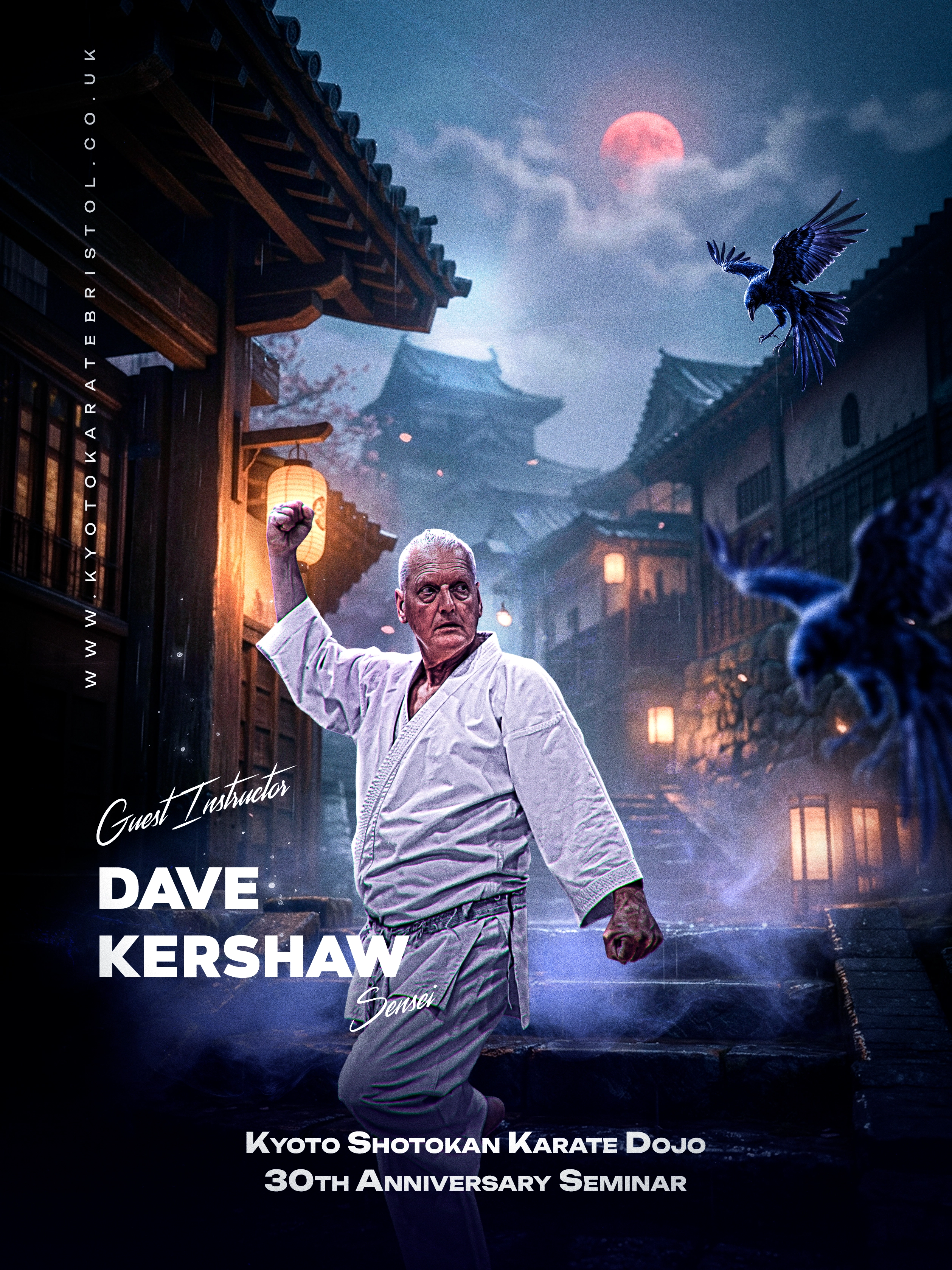
My own karate journey began in 1984 at Konjaku Shin in Grimsby, under Kershaw-sensei, and over the decades I have been fortunate to train under and learn from some exceptional instructors, including Asano-hanshi and Kanazawa-sōke.
More than forty years later, I am still learning.
That is perhaps one of the most important lessons a coach can pass on: you never finish being a student.
Coaching the Next Generation
Today, that same process continues at Kyōtō.
Our instructors and assistant instructors give their time to help students of every age and grade develop their karate. Beyond the club, coaching also plays an important role within SKIF-GB and our Wales & Southwest Region, helping students prepare for gradings, squad training and competition.
Competition coaching brings another dimension. Standing beside a tatami, a coach has only a short time to observe, communicate and help a competitor perform at their best. The objective isn’t to fight the match for them; it is to give them the confidence and information they need to make their own decisions.
And sometimes the most valuable coaching happens nowhere near a competition.
It happens when a nervous beginner walks through the dōjō door.
When a student finally understands something they have struggled with for months.
When someone fails a grading and comes back determined to try again.
Or when a student who once needed constant help becomes the person helping somebody else.
Thank You to the Coaches
So, although National Coaches Day was on 6th October, the sentiment deserves to last much longer than a single day.
Thank you to the instructors and coaches who have taught us in the past, those who continue to teach us today, and those within Kyōtō who give their time to help the next generation.
And perhaps the greatest compliment any coach can receive is eventually seeing their students begin to pass that knowledge on themselves.
Learn. Practise. Improve. Pass it on.
Oss.
Topics