 When people think about volunteering, they often focus on what volunteers give.
Their time.
Their effort.
Their experience.
Their energy.
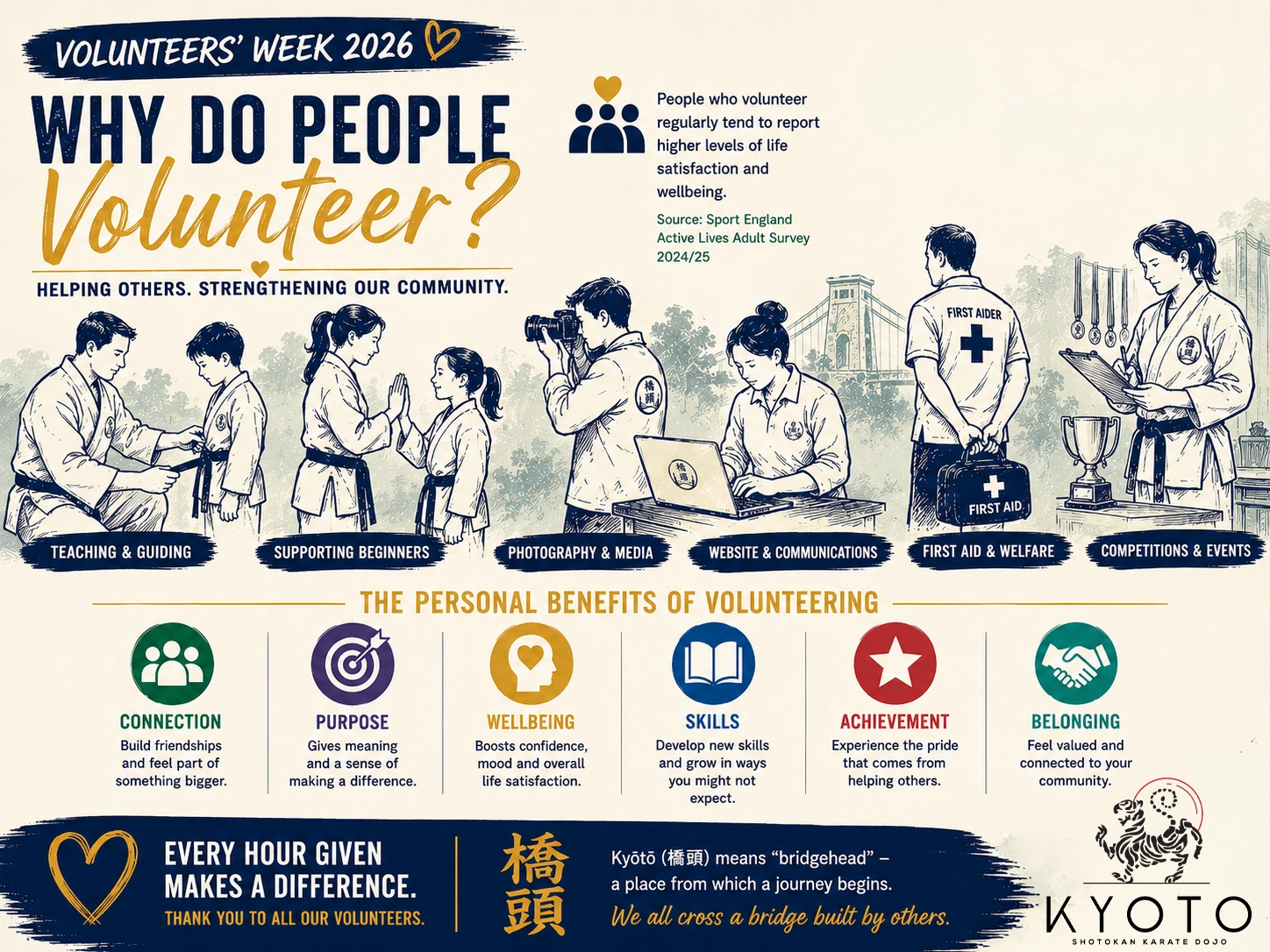
But perhaps a more interesting question is why they choose to do it in the first place.
At Kyōtō, there is no single answer.
Every volunteer has their own story.
A Lifetime in Karate
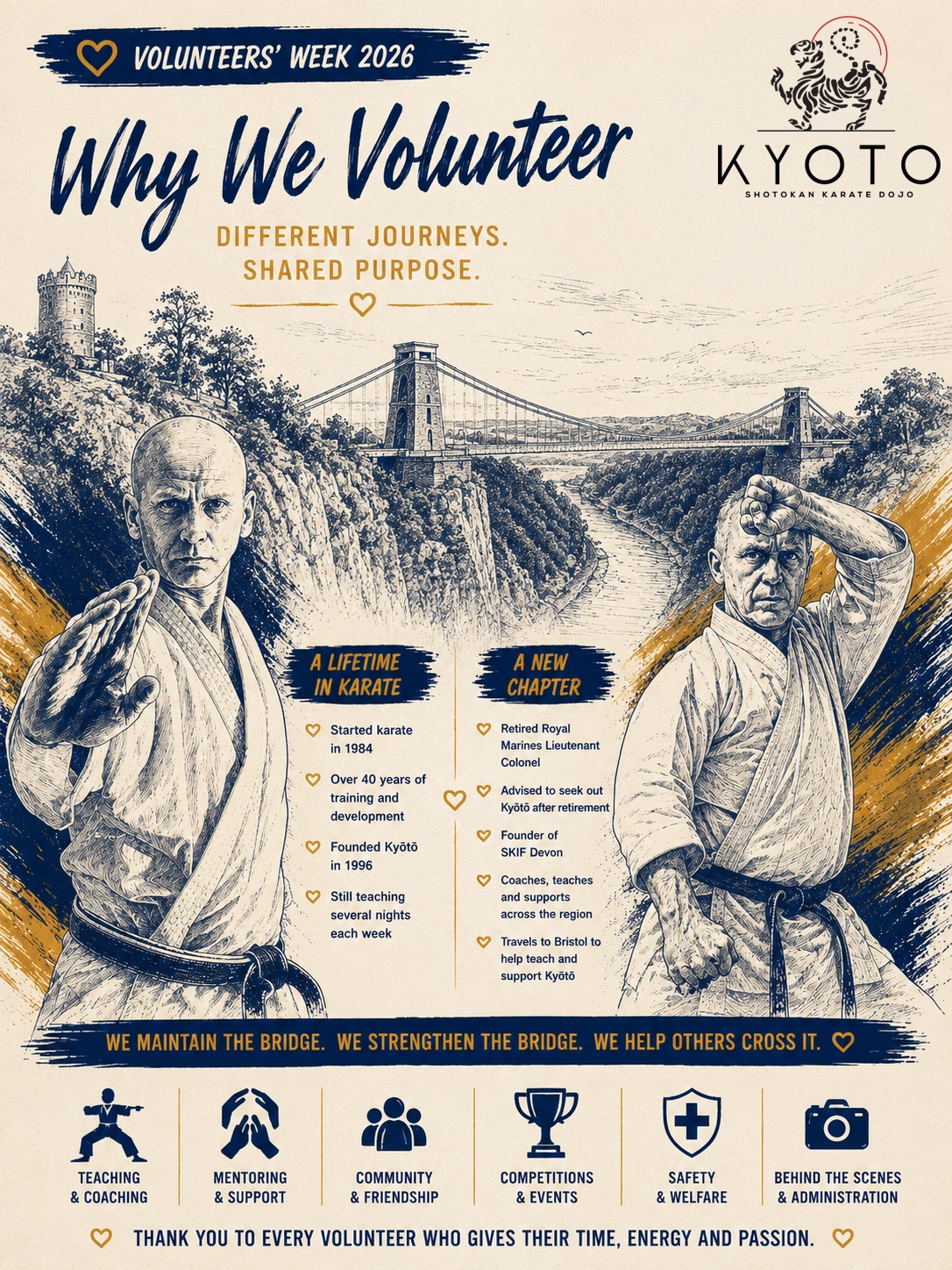
For Kyōtō Chief Instructor Steve Ashby, karate has been a constant presence since answering a beginners’ course advertisement in 1984.
More than forty years later, karate remains an important part of everyday life.
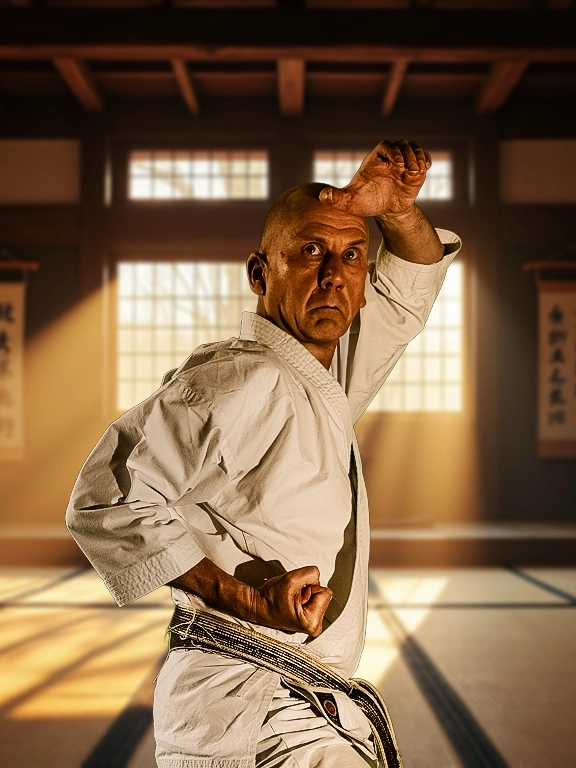 Over those decades, countless instructors and senior students gave their time, knowledge and encouragement to help others progress. Lessons learned in Grimsby, Nottingham, Middlesbrough, St Albans, Luton and Bristol were passed from one generation to the next.
Volunteering became a natural extension of that process.
Why?
Because karate is in the blood.
Karate has so much to give to people.
There is also a feeling that there is still much to give back.
Traditional karate is more than physical techniques. It contains lessons, experiences, values and knowledge accumulated over generations. If those lessons are not passed on, something valuable can be lost and perhaps replaced by something less authentic.
For many long-serving instructors, volunteering is not simply about teaching. It is about preserving and passing on something worth keeping.
A New Chapter
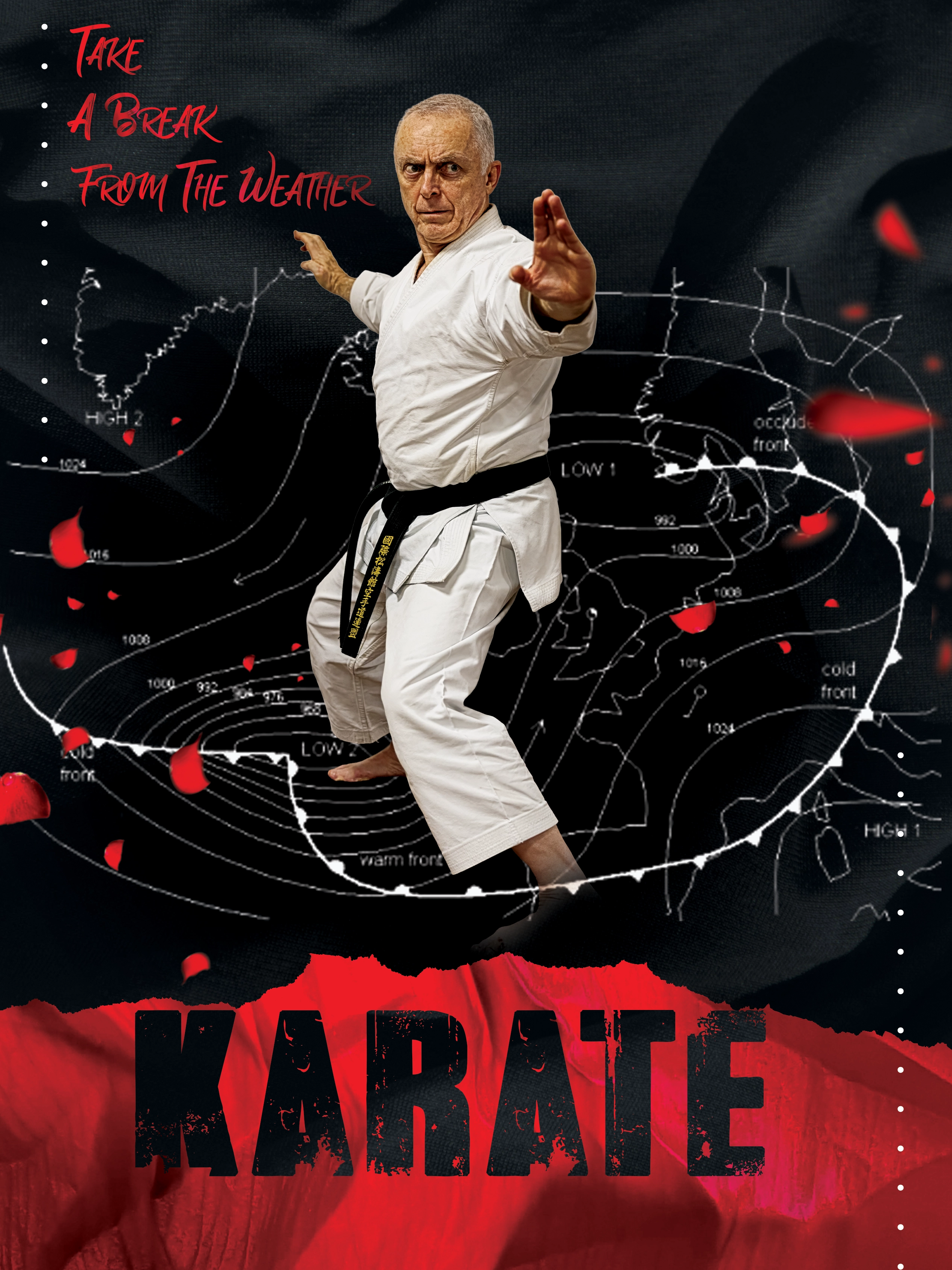 Kyōtō Shihandai Nick Bruce-Jones arrived at volunteering from a very different direction.
Following a distinguished career in the Royal Marines, transition into civilian life created the opportunity to focus on new challenges and interests. Returning back to Karate that he had left 25 years earlier, among the advice he received was a suggestion to seek out Kyōtō - a dōjō over 80 miles away.
What began as training eventually became something much more.
Today, Nick is one of the driving forces behind Kyōtō and recently established SKIF Devon at the Met Office in Exeter, creating opportunities for others to begin their own karate journeys.
Through coaching, instruction, refereeing and club development, volunteering has become a way of continuing a lifetime of service, leadership and mentoring.
While the environment may have changed, the underlying principles remain familiar: helping others develop, supporting a team and contributing to something larger than yourself.
Different Journeys, Shared Purpose
One volunteer began karate as a teenager in Grimsby.
The other found karate’s deeper role after a career in the Royal Marines.
The journeys were very different.
The destination is remarkably similar.
Both recognise that karate has the ability to improve lives.
Both understand the importance of maintaining standards and preserving knowledge.
Both believe future generations deserve the same opportunities they were fortunate enough to receive.
That is why they continue to volunteer.
The Kyōtō Perspective
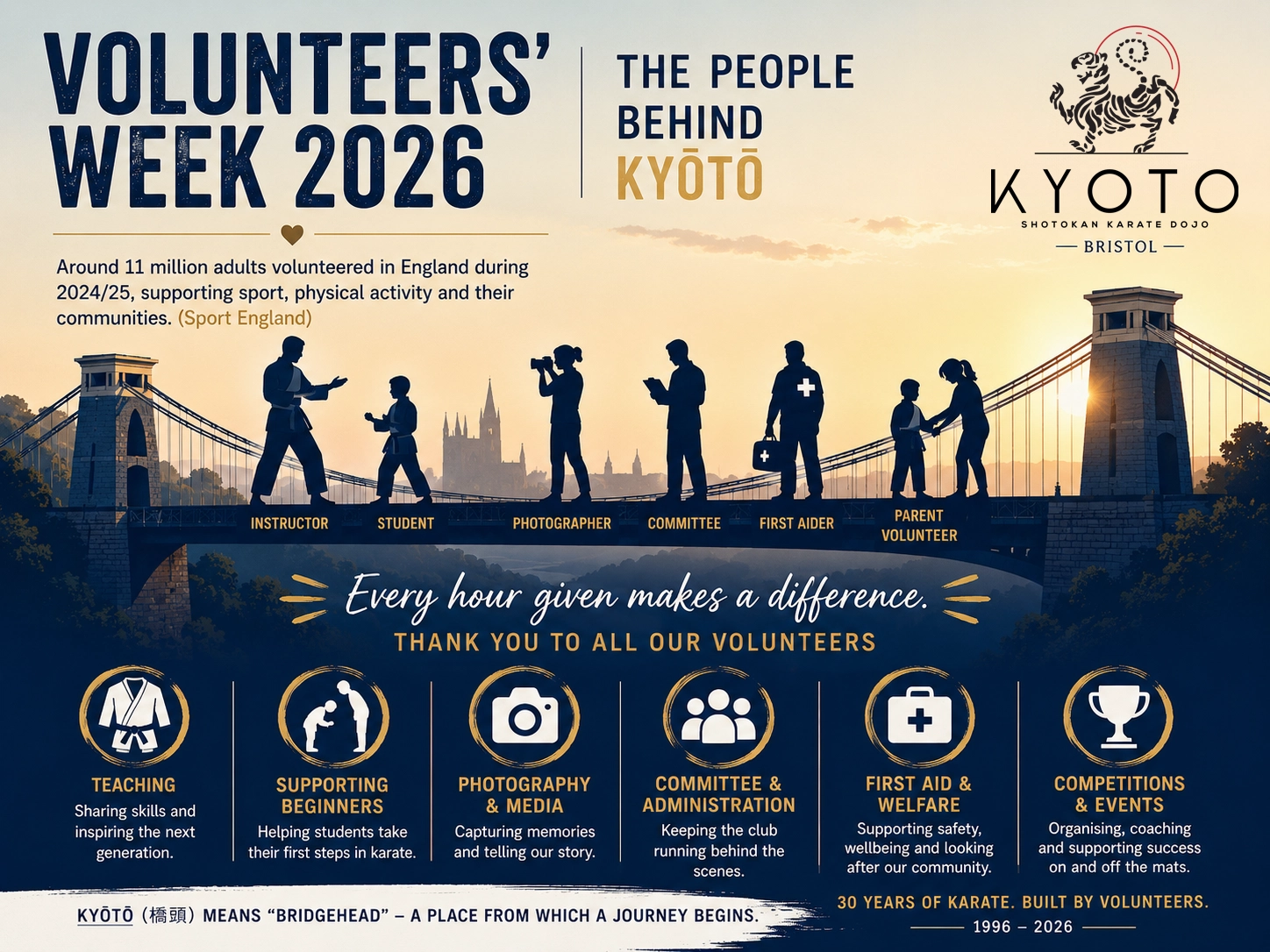
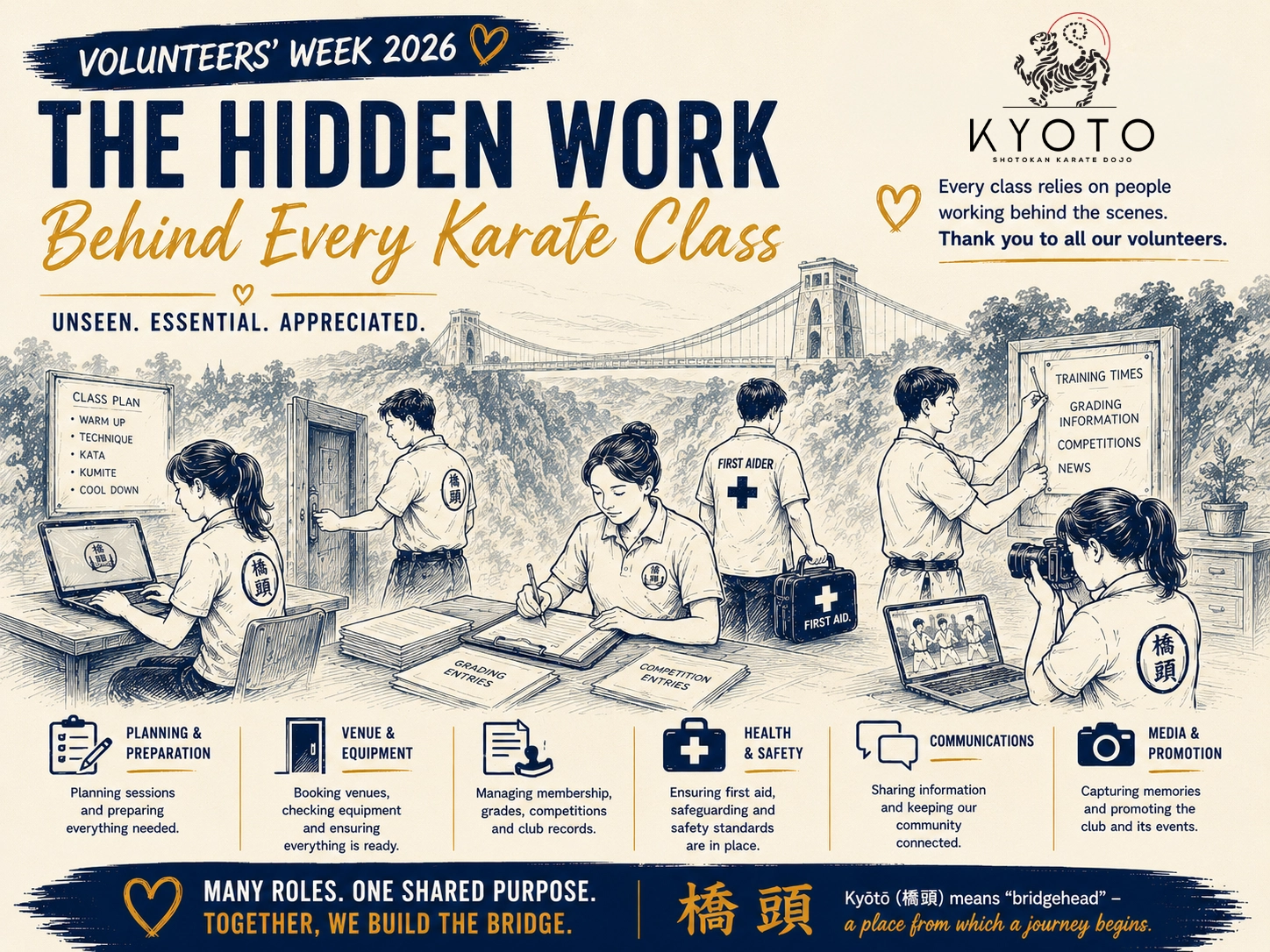
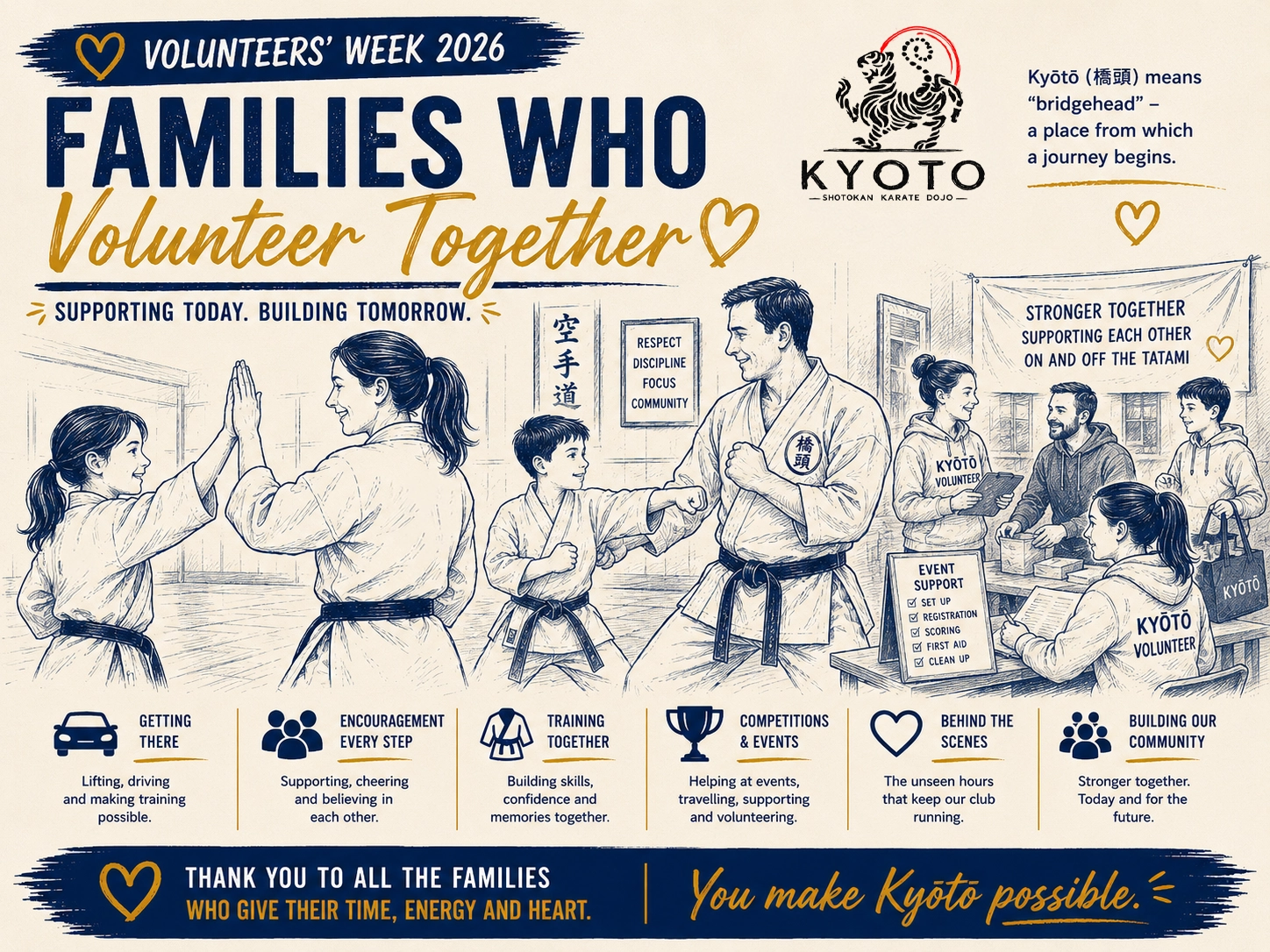
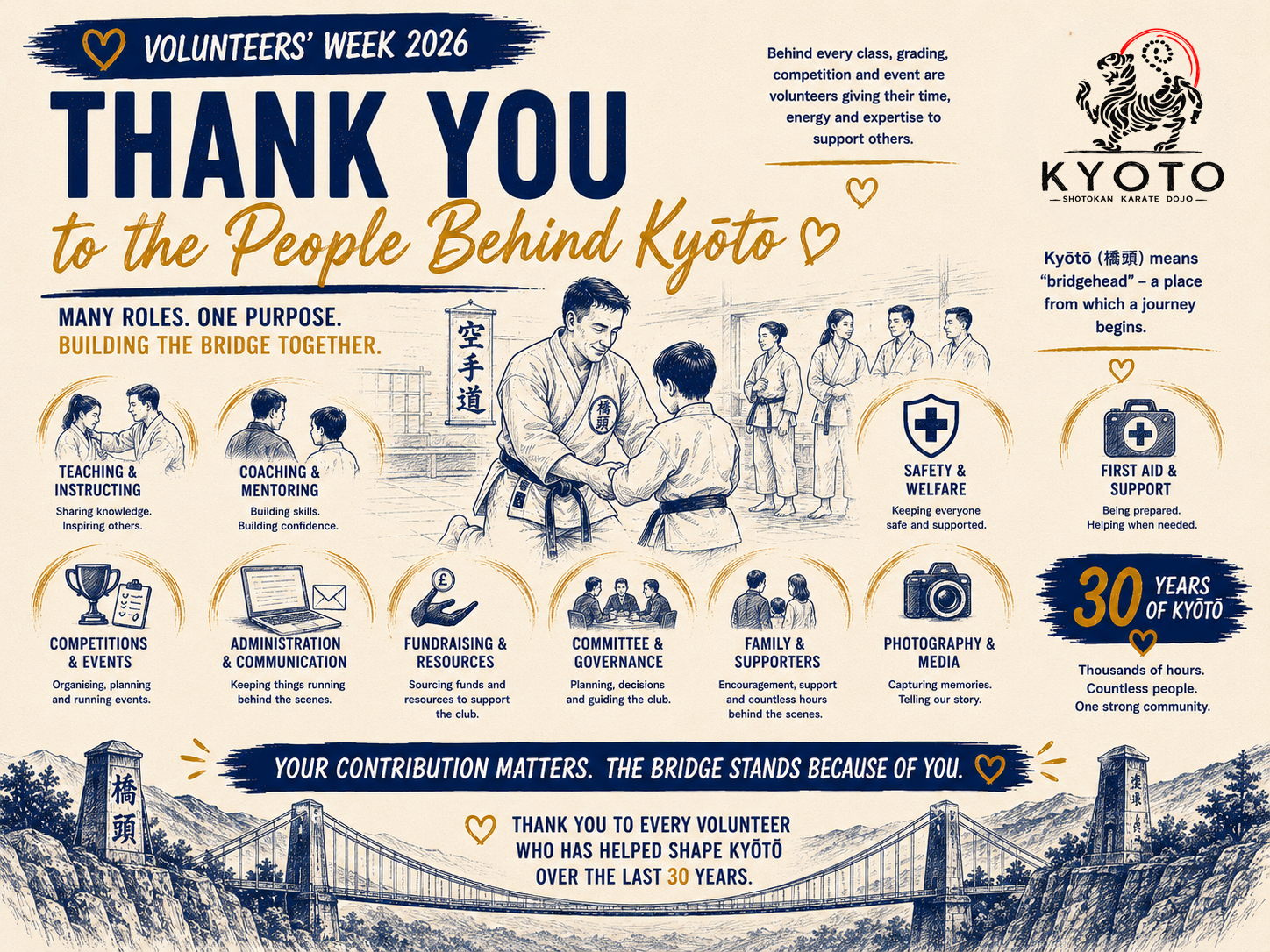
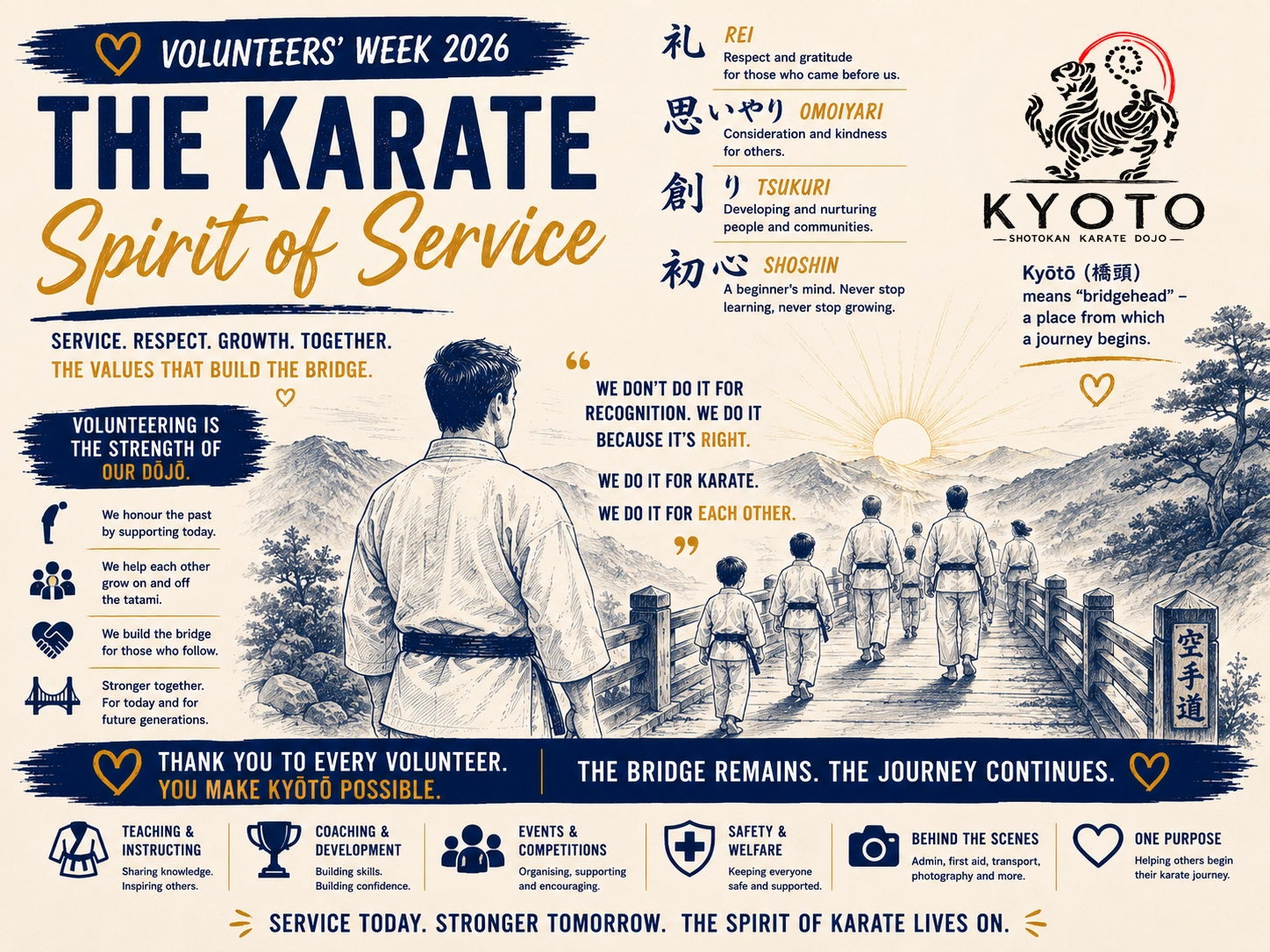
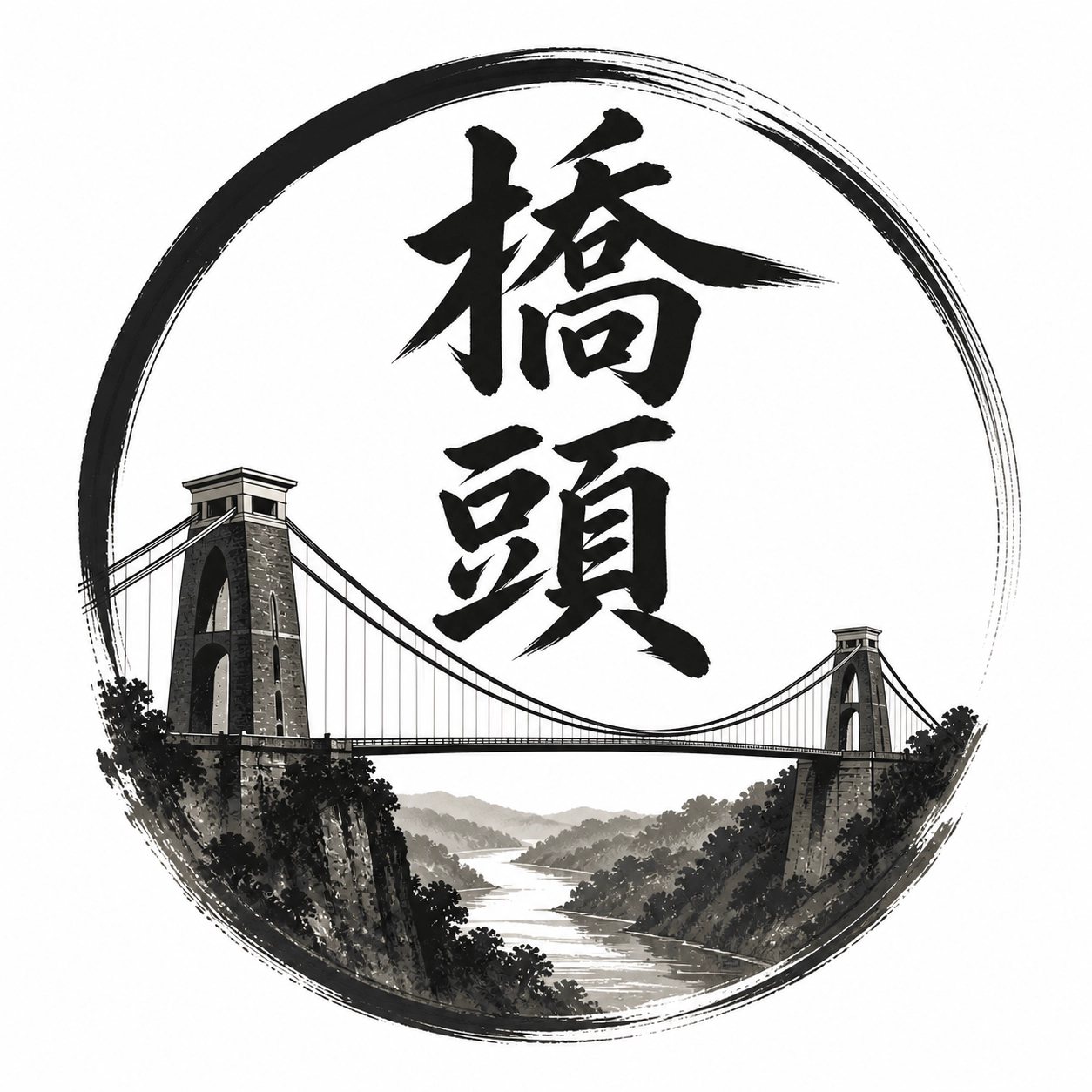 The name Kyōtō (橋頭) means “bridgehead”—a place from which a journey begins.
Every student who enters the dōjō crosses a bridge built by those who came before them.
Volunteers maintain that bridge.
They strengthen it.
And they help ensure that the next generation can cross it too.
For many volunteers, that is reward enough.