News Topics

The 52nd SKIF-GB National Championships take place at Nottingham Wildcats Arena on Sunday 27th September 2026. Kyōtō karateka will join competitors from across Great Britain for a full day of kata and kumite competition.
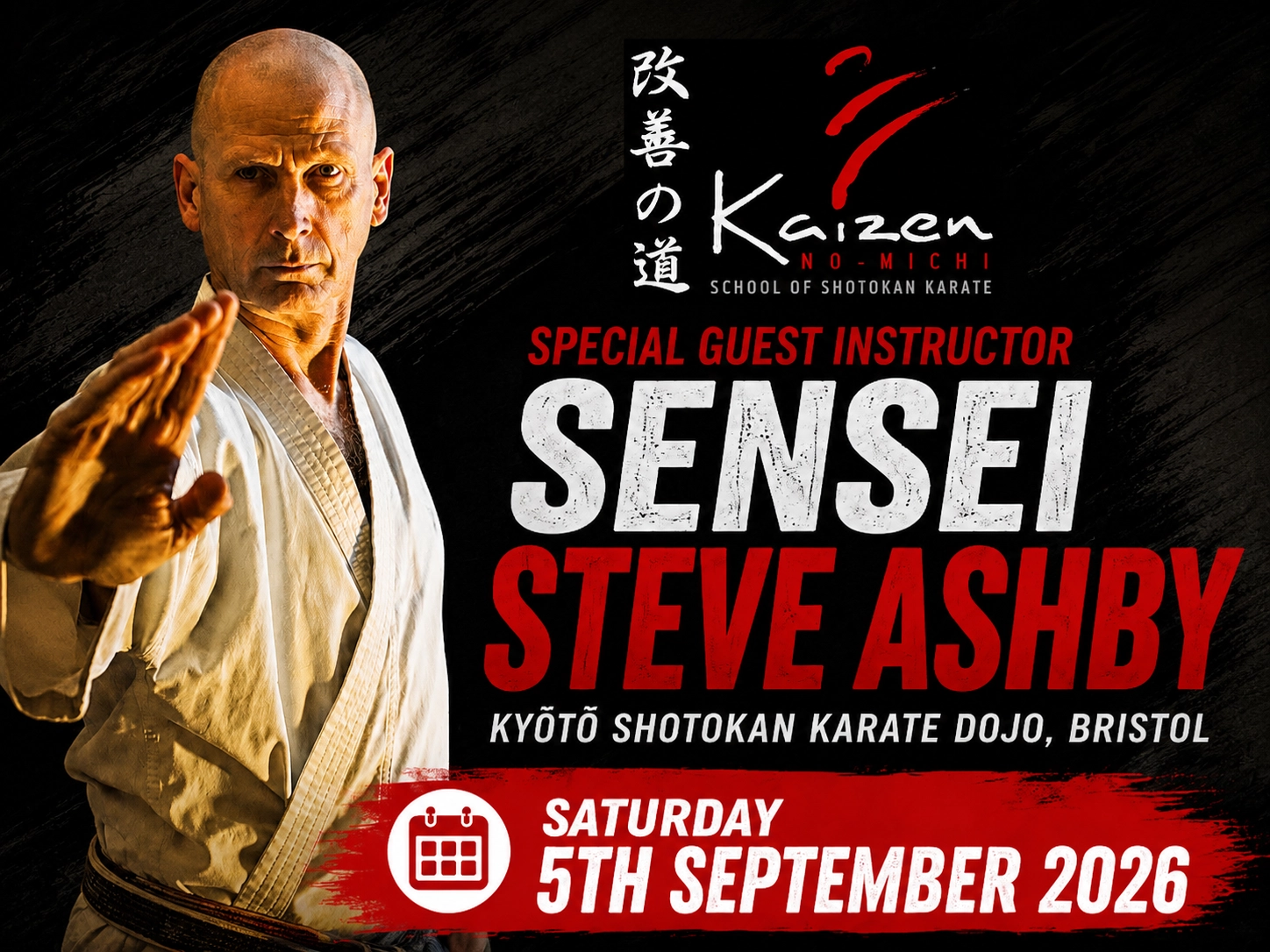
Kyōtō Chief Instructor Steve Ashby has been invited to teach at Kaizen No-Michi on Saturday 5th September 2026, leading dedicated sessions for both Tigers and adult karateka.
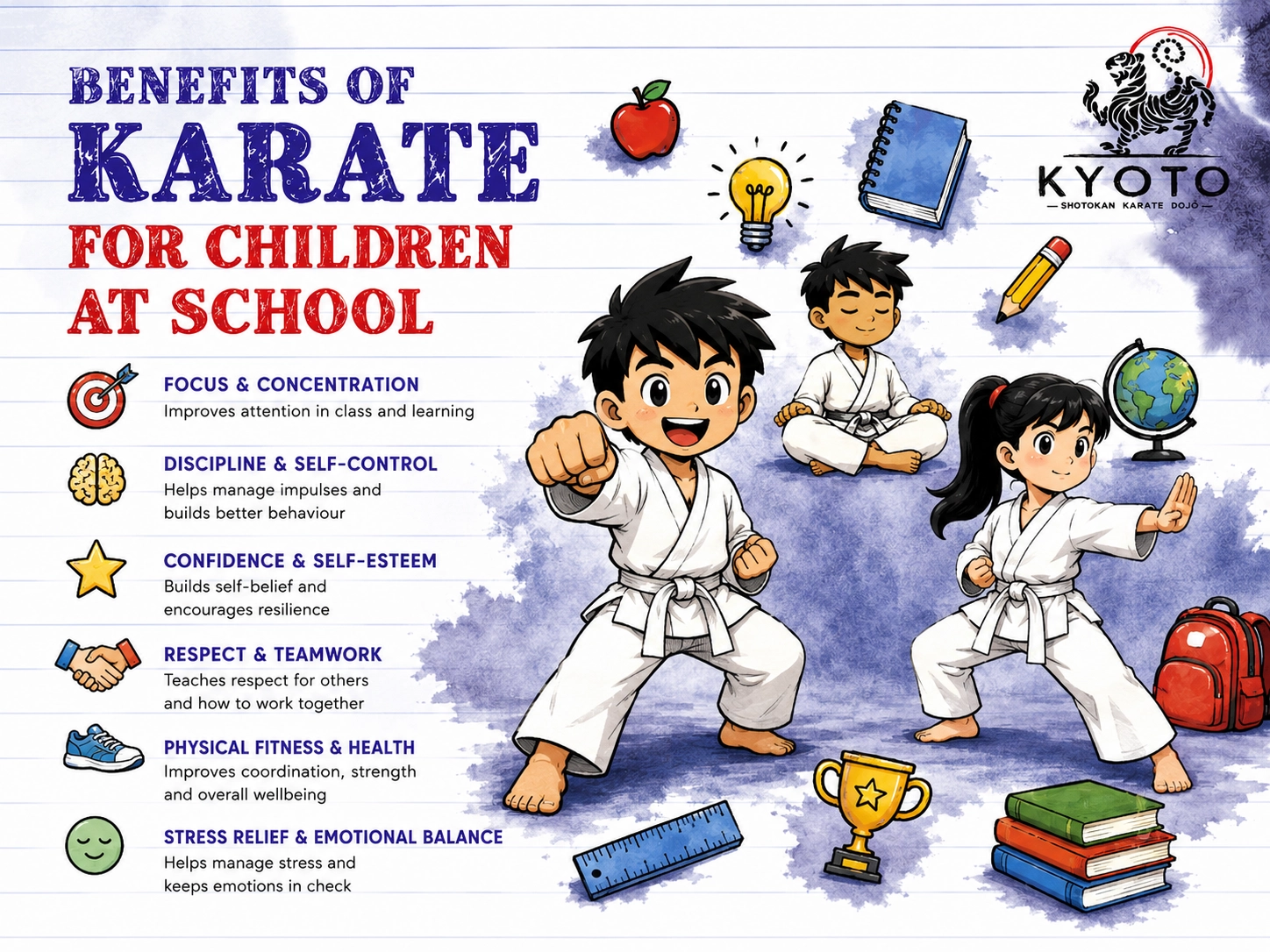
As children return to school, discover how karate can support skills that reach far beyond the dojo — including focus, discipline, confidence, resilience, respect, teamwork and physical fitness.

Important notice: All classes at Avonmouth Rugby Club on Tuesday 11th August 2026 have been cancelled. Wednesday, Thursday and Friday classes will run as normal. Thank you for your understanding.
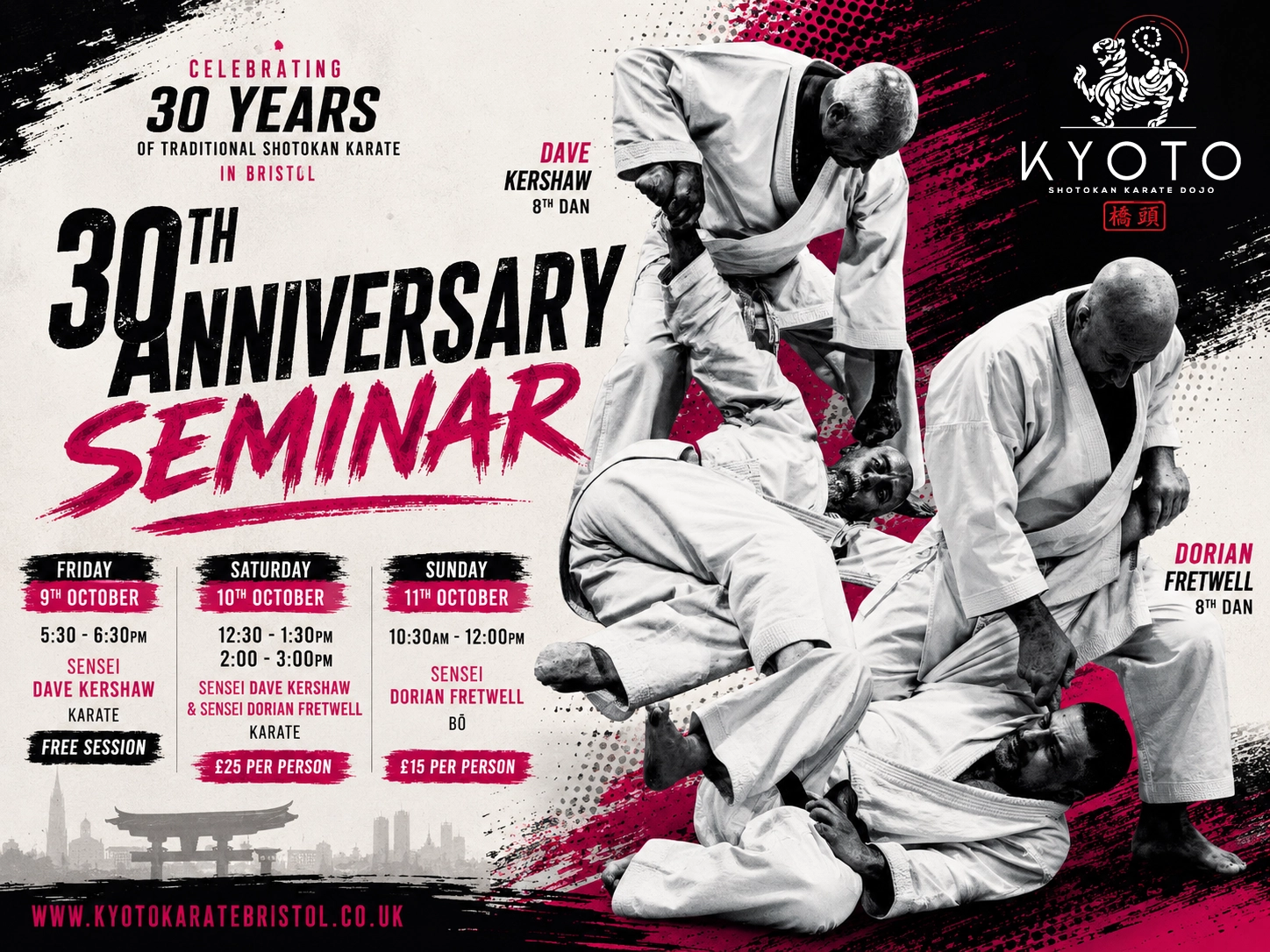
Kyōtō Shotokan Karate Dōjō is proud to celebrate its 30th Anniversary with a special seminar featuring Sensei Dave Kershaw 8th Dan and Sensei Dorian Fretwell 8th Dan. Taking place over 9–11 October 2026, the weekend includes free and paid karate sessions, together with a specialist Bō seminar, marking three decades of traditional Shotokan Karate in Bristol.
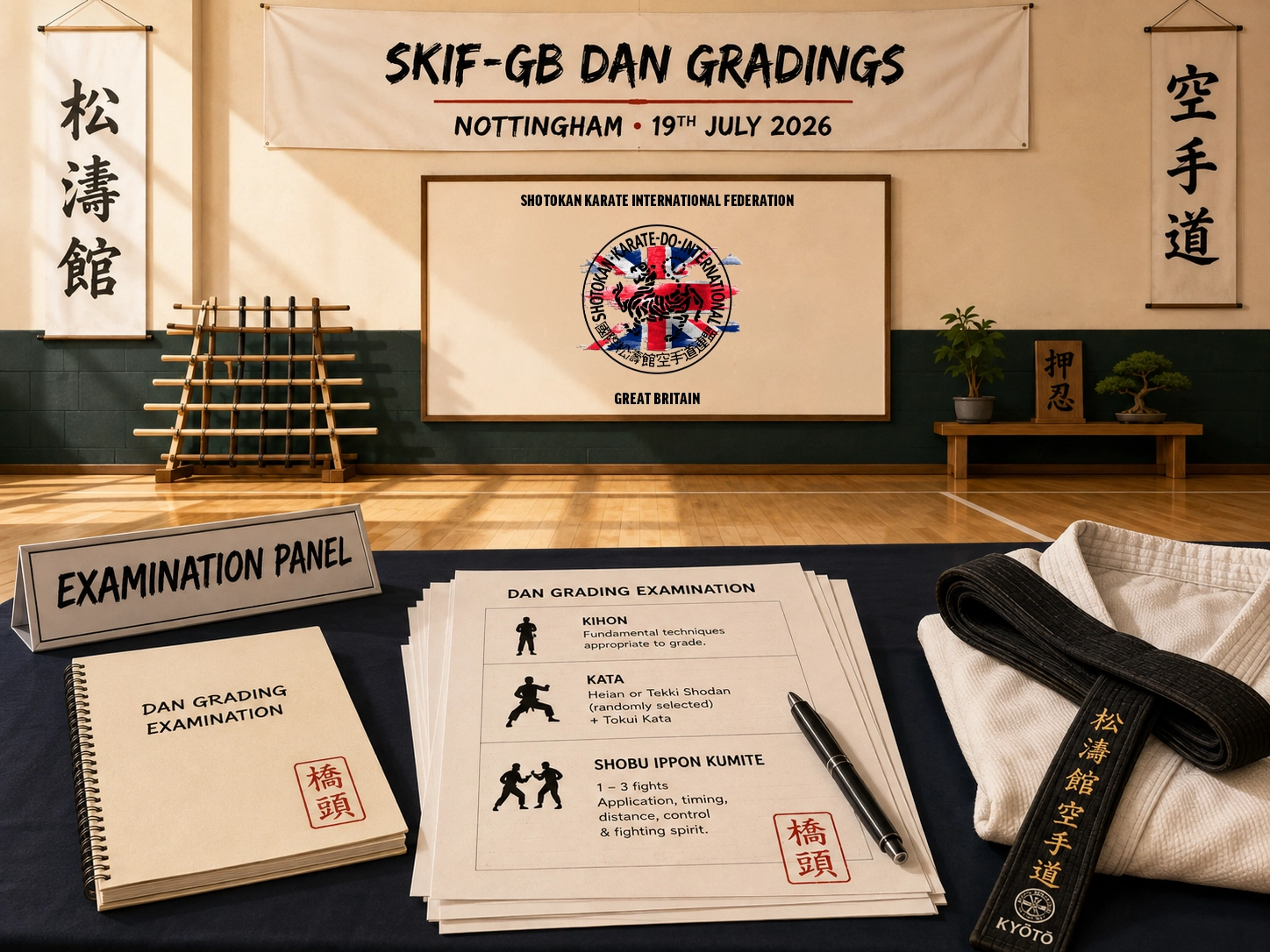
Congratulations to John Sun on achieving Shodan (1st Dan) and Sharon Joseph on earning Nidan (2nd Dan) at the SKIF-GB Dan Gradings following the 52nd Summer Gasshuku in Nottingham. This article looks at the demands of a traditional Dan grading, the challenges faced by all Kyōtō candidates, and why perseverance is just as important as promotion in the lifelong journey of karate.

We are proud to recognise the achievements of the following students and congratulate everyone who successfully passed their Dan Grading following the 52nd SKIF-GB Summer Gasshuku under the instruction of Hanshi Hiroshi Ishikawa, 9th Dan.
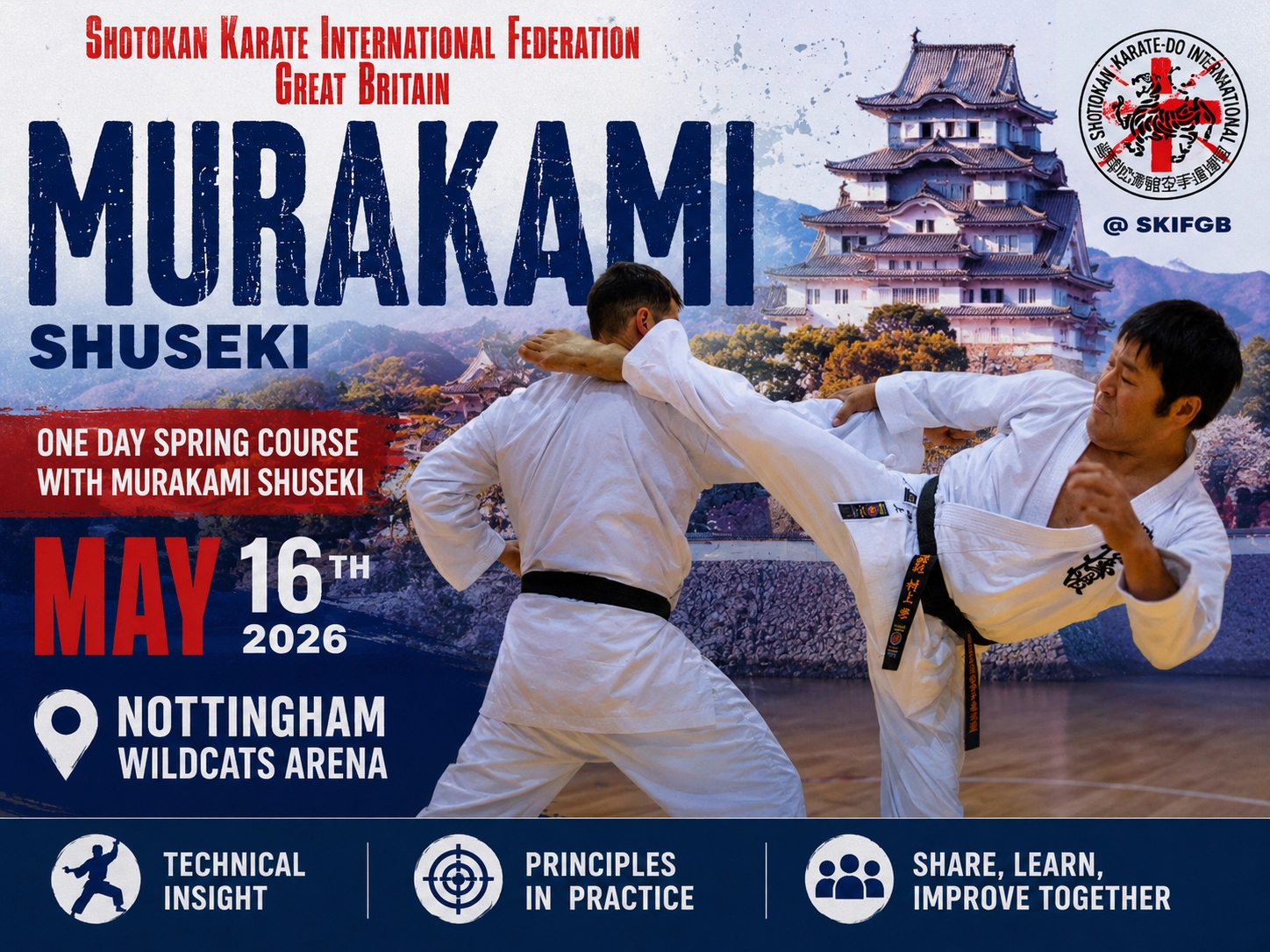
Members of Kyōtō travelled to Nottingham to train under Murakami Shuseki at the 2026 SKIF-GB Spring Course. Focusing on body mechanics, timing, centre line and the principles behind Shotokan Karate, the seminar proved to be one of the most technically insightful courses of the year.
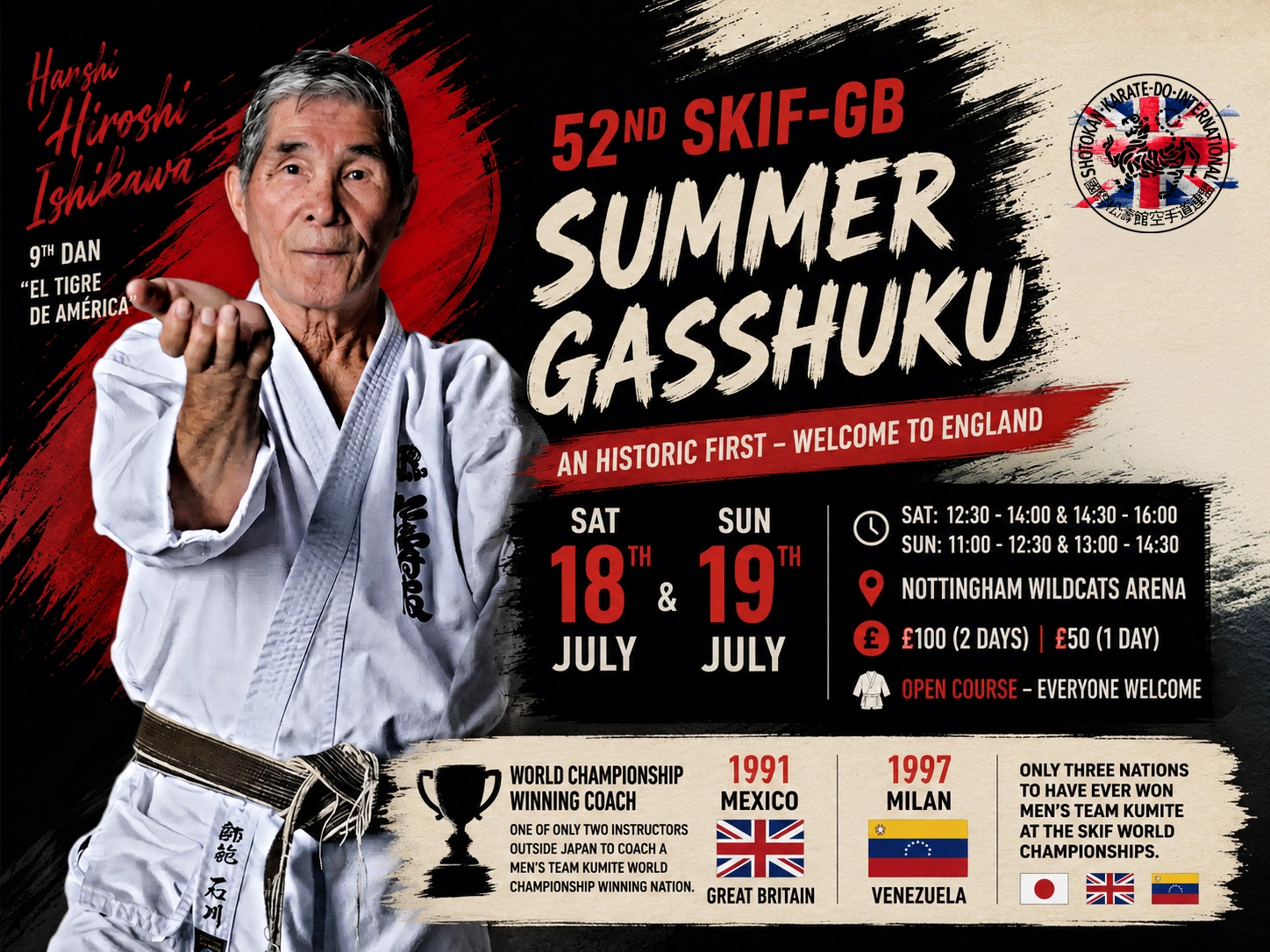
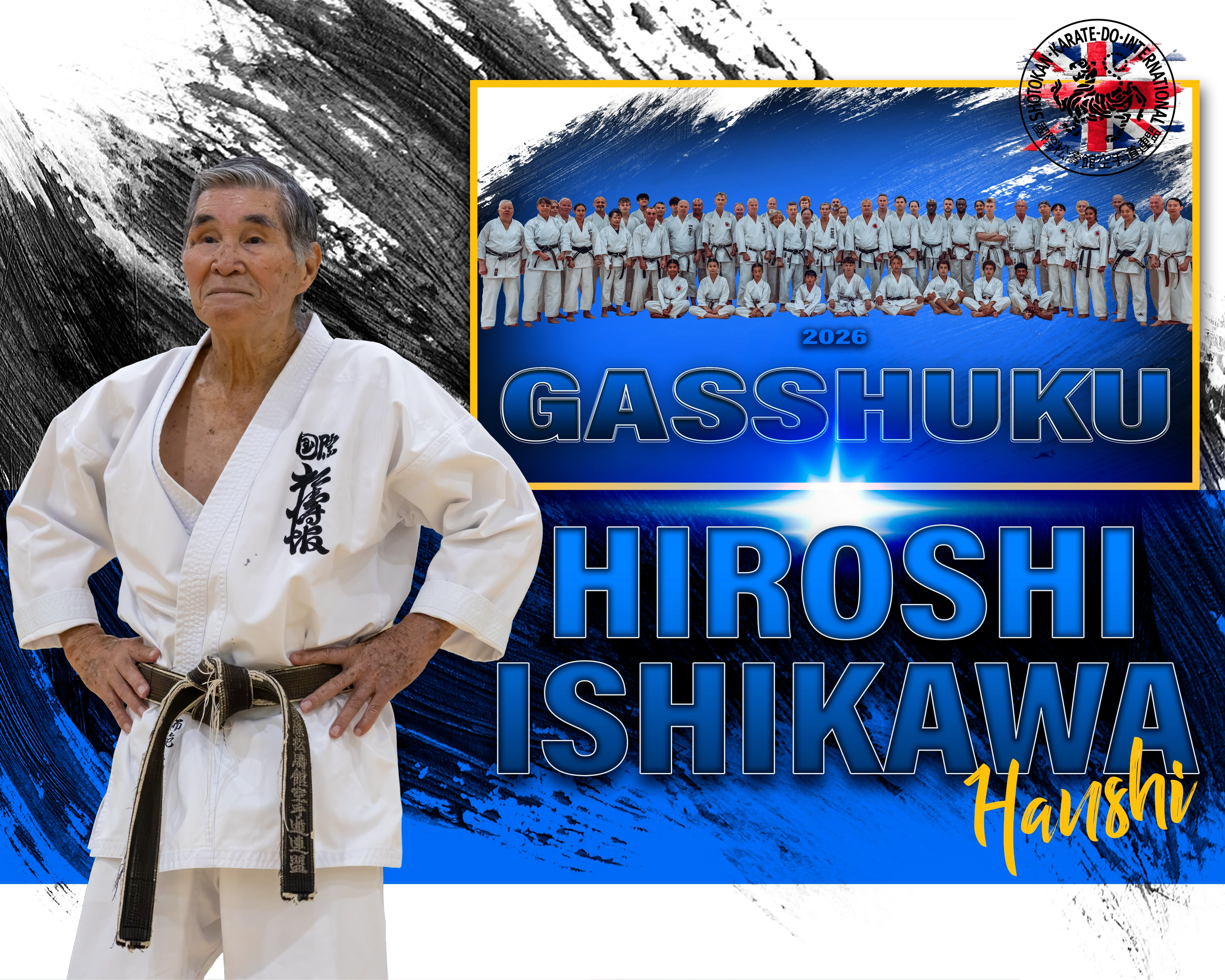
SKIF-GB has announced that Hanshi Hiroshi Ishikawa (9th Dan) will visit England for the first time to instruct at the 52nd SKIF-GB Summer Gasshuku. Open to all karate organisations, the event promises an exceptional opportunity to train with one of the world’s most respected Shotokan instructors.