News Topics
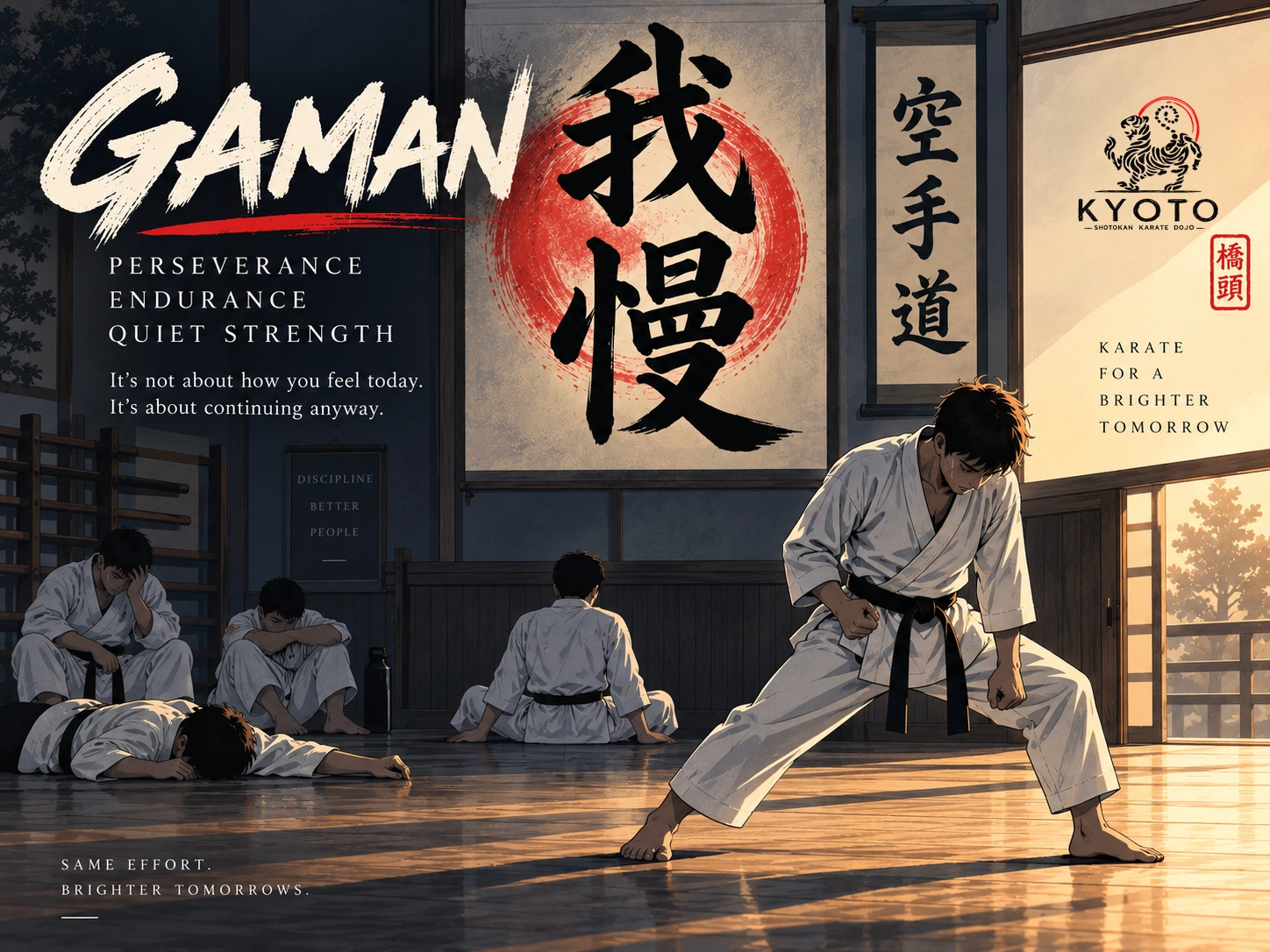
Gaman (我慢) is the Japanese concept of perseverance, patience and enduring difficulty with dignity. From repeating kihon and coping with grading setbacks to remaining composed under pressure, discover how traditional karate quietly develops gaman both inside and outside the dōjō.

The karate club at Takushoku University has produced some of the most influential Shotokan karate masters in history, including Hirokazu Kanazawa Sōke, Shiro Asano Hanshi and Manabu Murakami Shuseki. Discover how its demanding training culture helped shape modern karate and why its legacy continues to influence traditional dojos such as Kyōtō today.
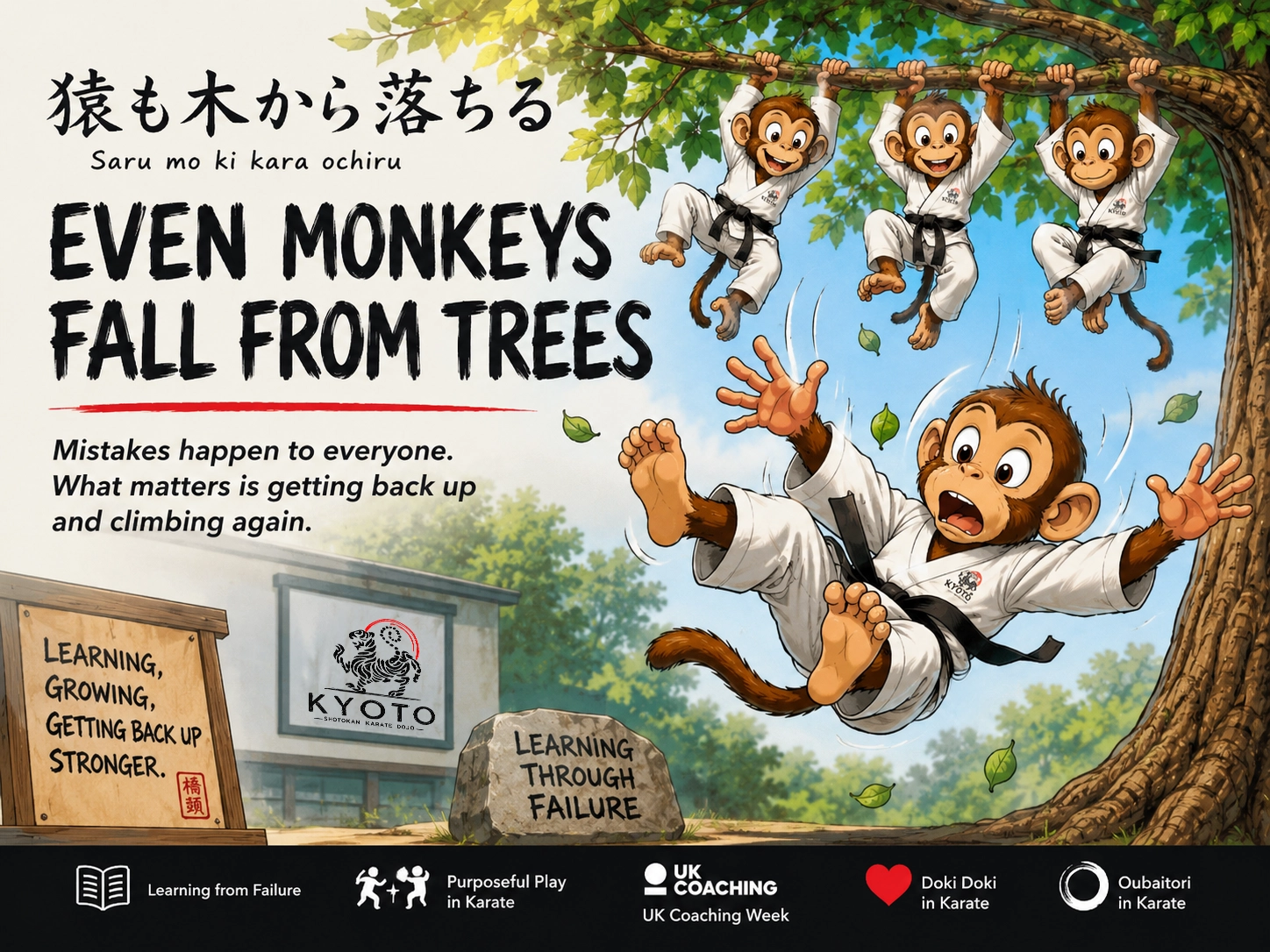
The Japanese proverb Saru mo Ki Kara Ochiru reminds us that even experts make mistakes. In karate, setbacks are not signs of incompetence but opportunities for growth, humility, and continuous improvement.
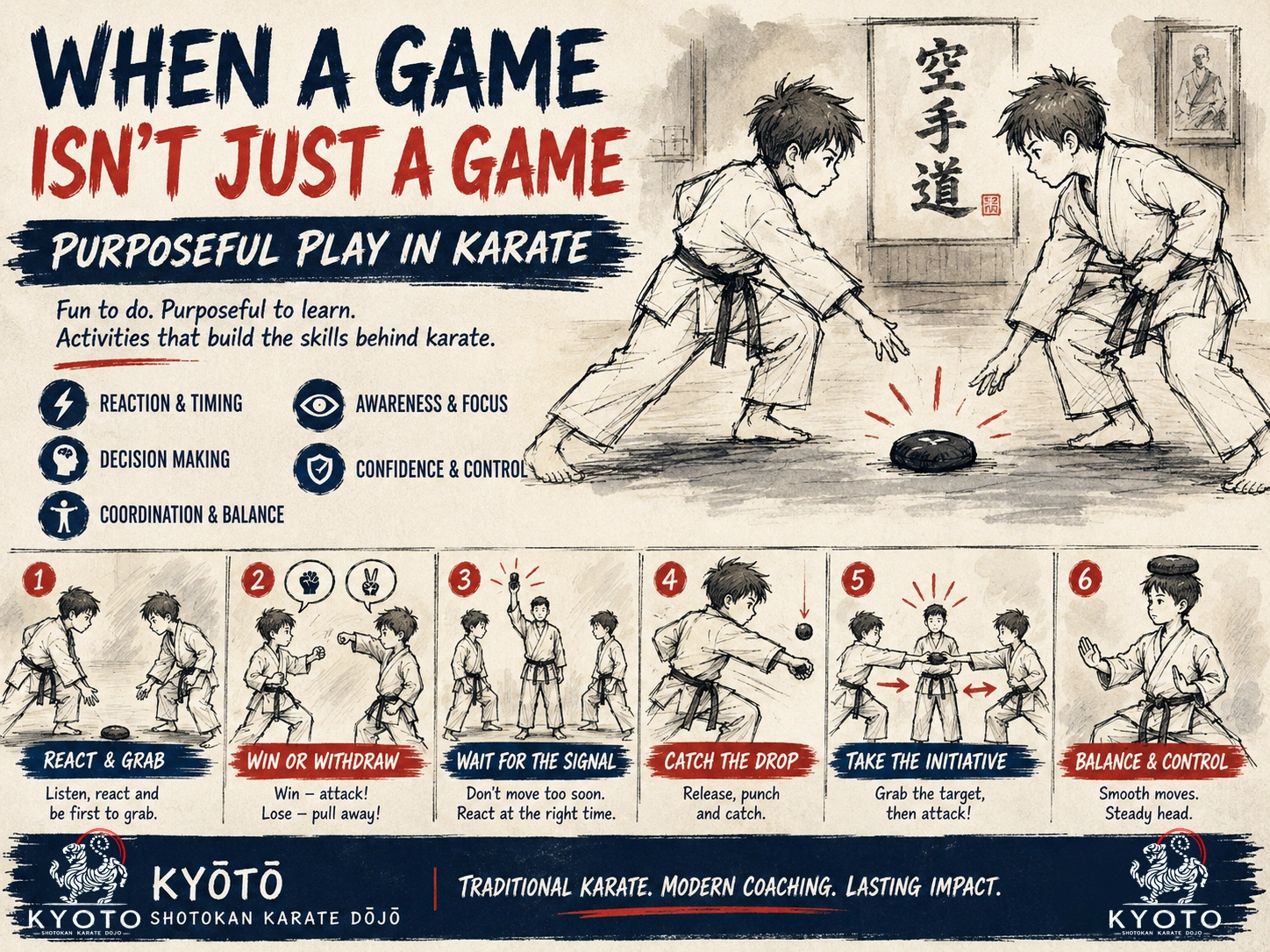
At first glance, they may look like simple games, but every activity in the dōjō has a purpose. Discover how reaction challenges, balance exercises and partner drills help develop the timing, coordination, awareness and decision-making that underpin traditional Shotokan karate.
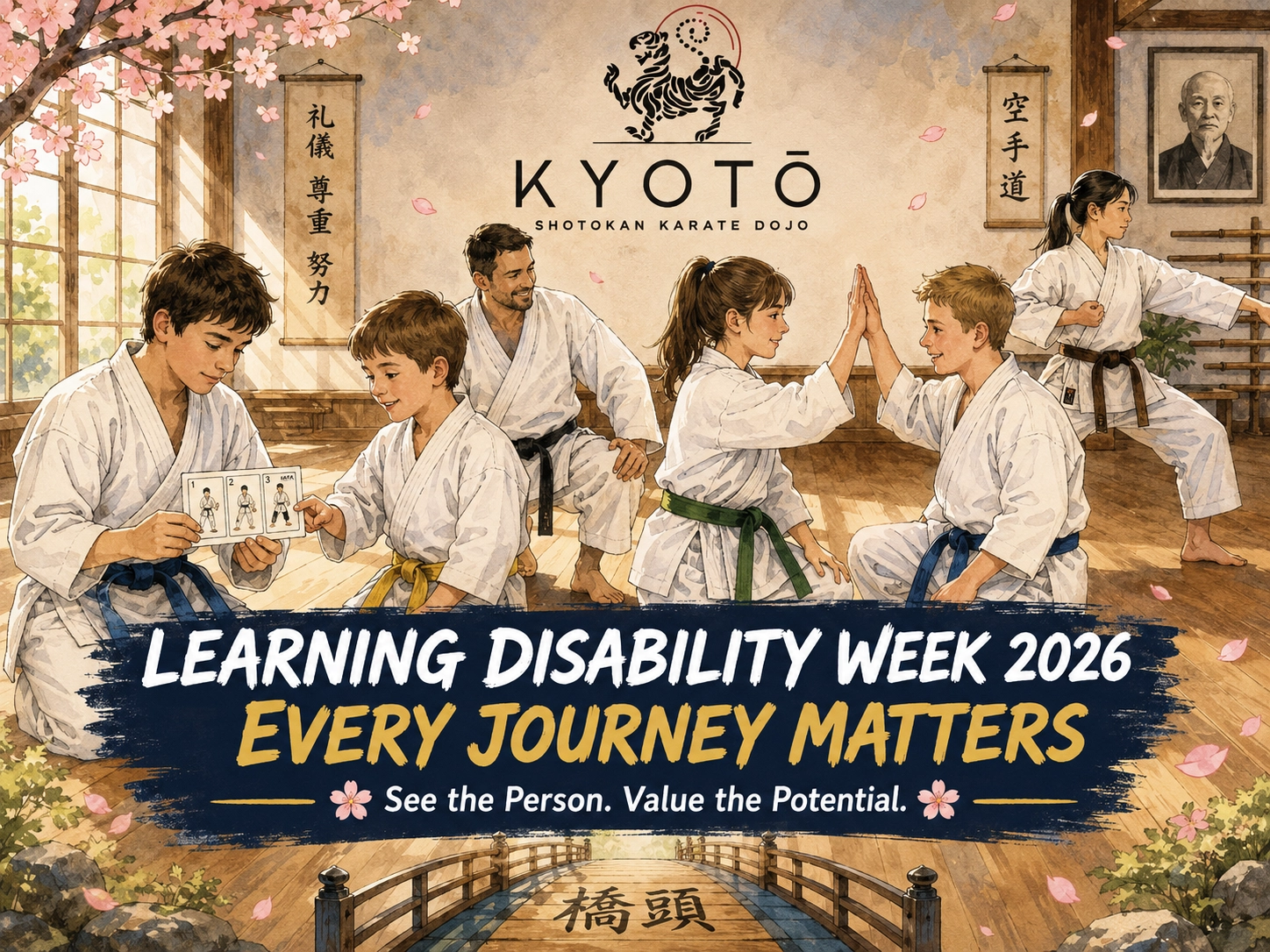
As Learning Disability Week 2026 highlights the theme “Do You See Me?”, Kyōtō reflects on how karate can help individuals with learning disabilities build confidence, develop skills, make friendships and discover their own unique path to success.
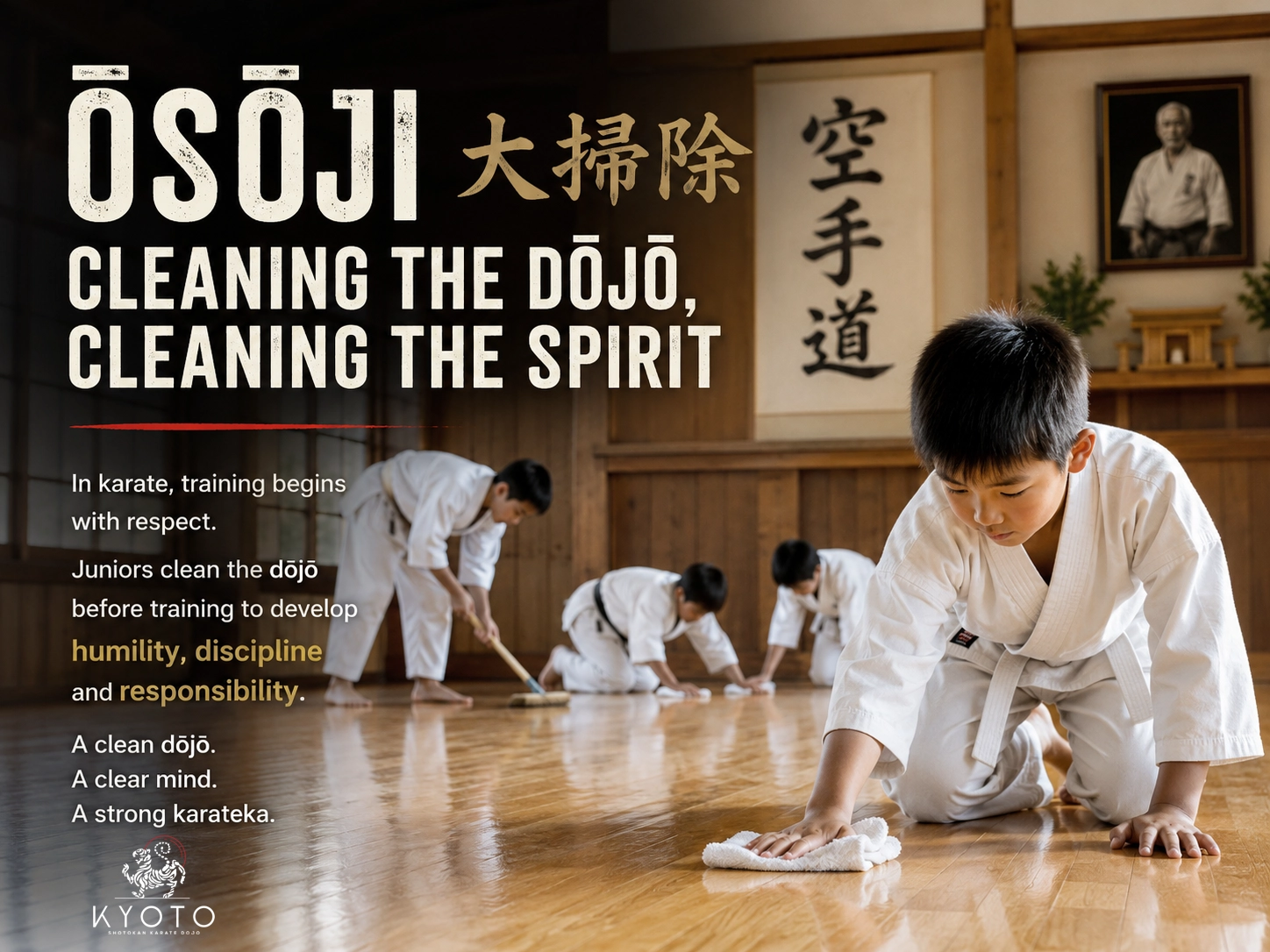
Why do karate students clean the dōjō before training? This article explores the Japanese tradition of Ōsōji (大掃除), the role of junior students in preparing the training space, and how cleaning develops respect, humility, discipline and pride in the dōjō. More than housekeeping, Ōsōji is an important part of traditional karate culture and character development.
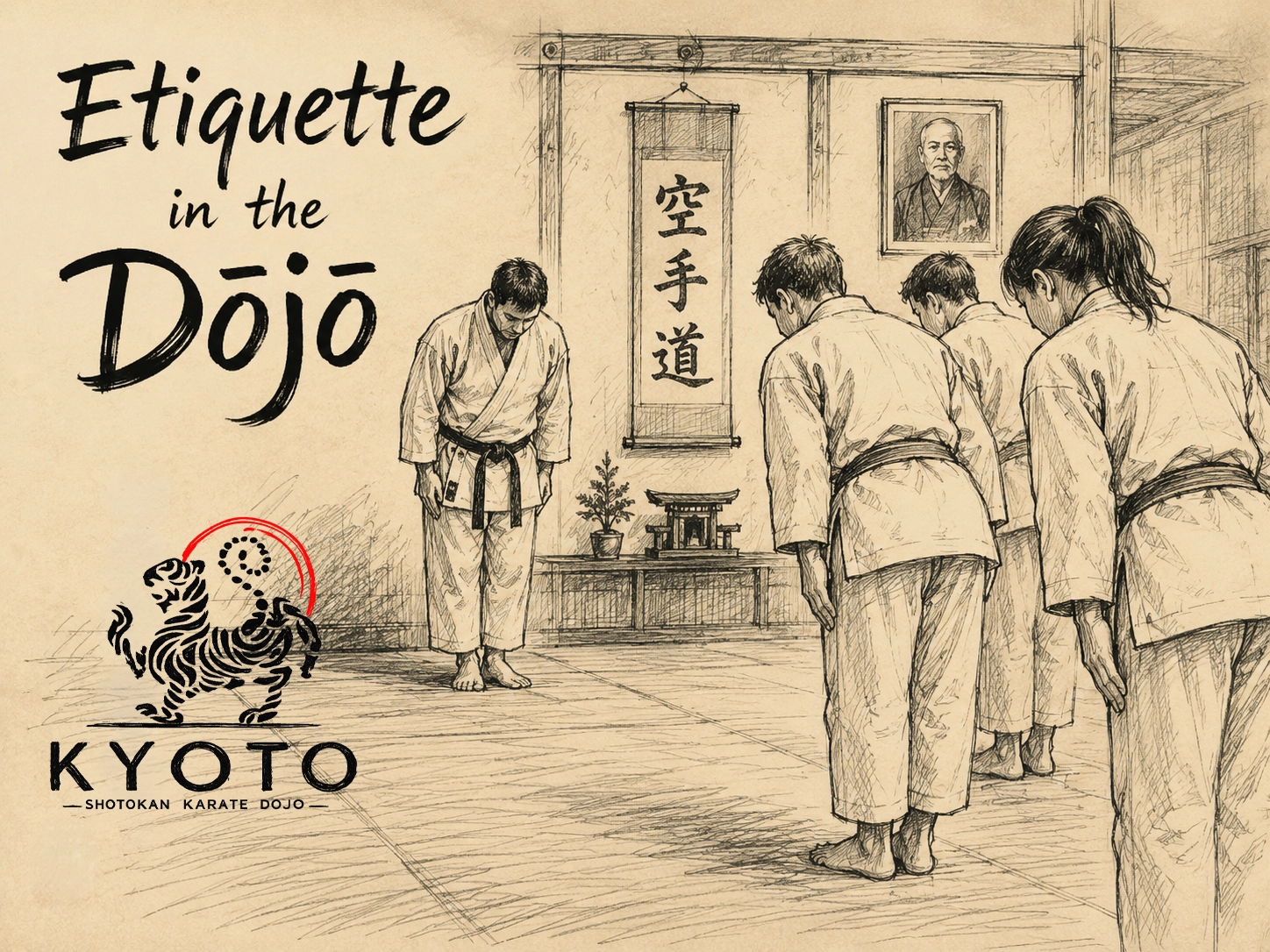
Why do karateka bow, line up, and follow dōjō etiquette? Far more than tradition, these practices help create respect, trust, discipline and the right mindset for learning. This article explores the deeper purpose behind etiquette in traditional karate training and how its lessons extend far beyond the dōjō.
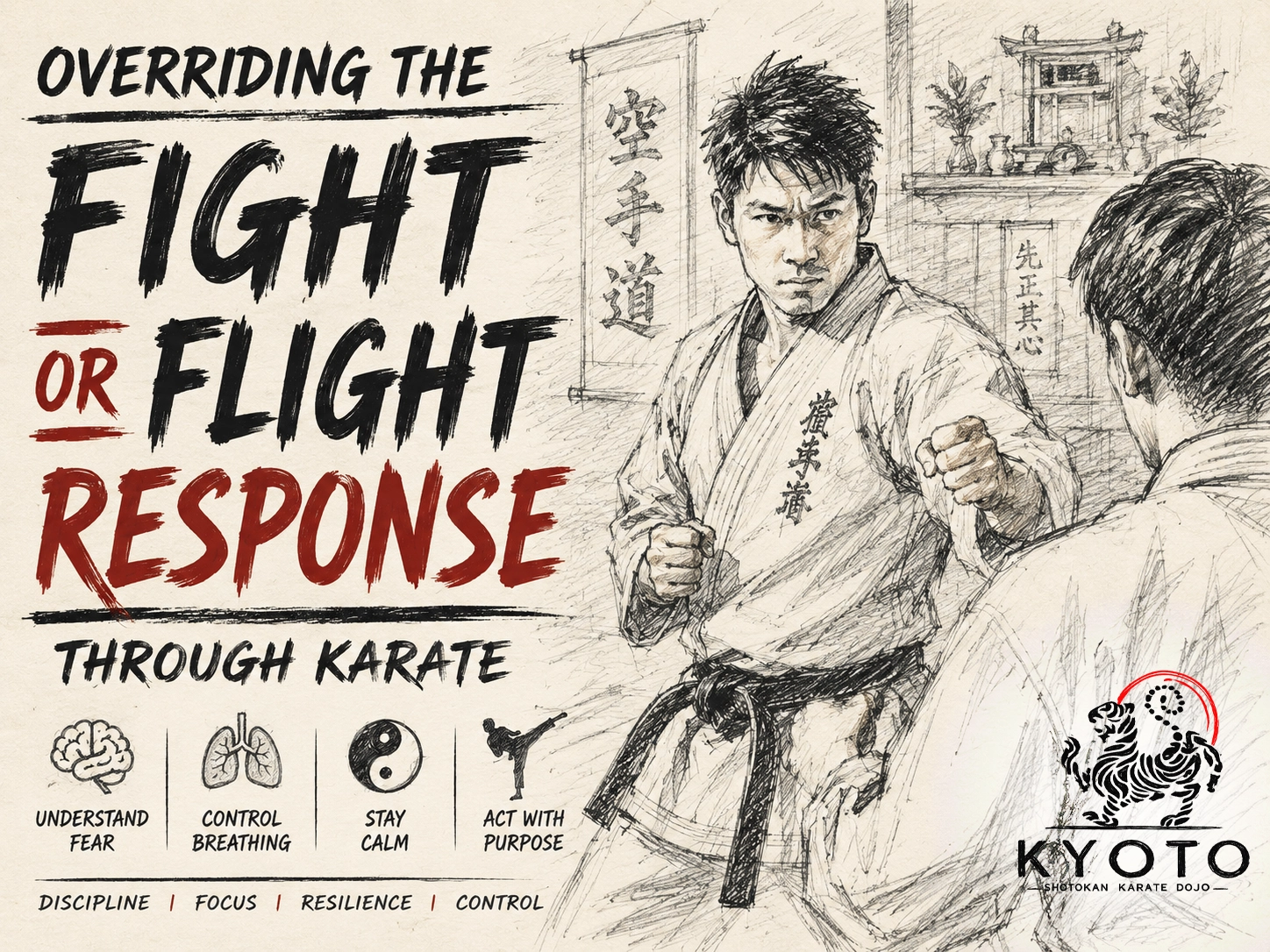
Karate training is about far more than physical technique. This article explores how traditional Shotokan karate helps students manage the natural fight or flight response through repetition, breathing, composure and controlled exposure to pressure — both inside and outside the dōjō.
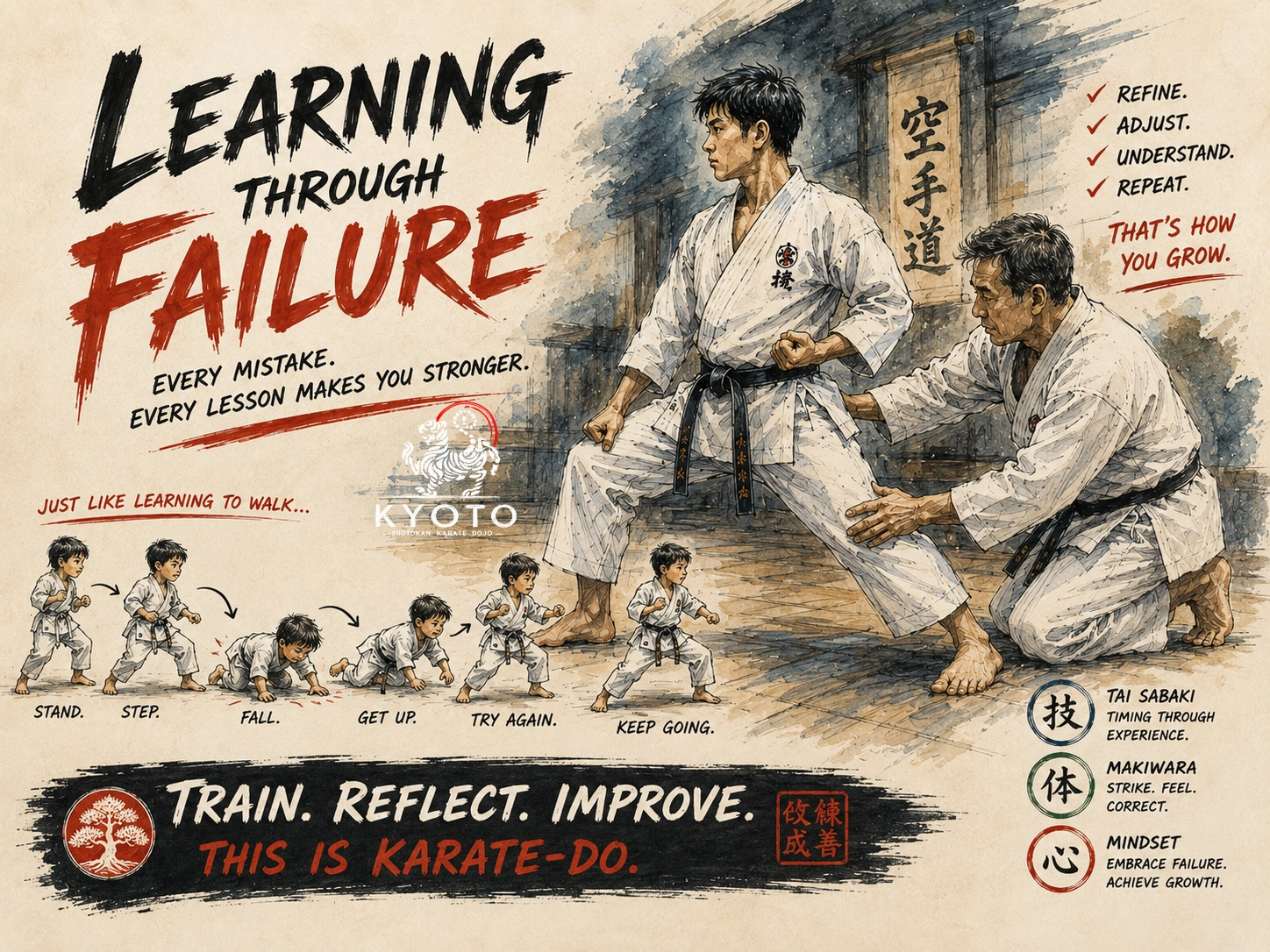
Failure is not the opposite of progress in karate — it is part of the process itself. From tai sabaki and timing to makiwara training and body mechanics, this article explores how mistakes, correction, and perseverance help shape genuine karate development.
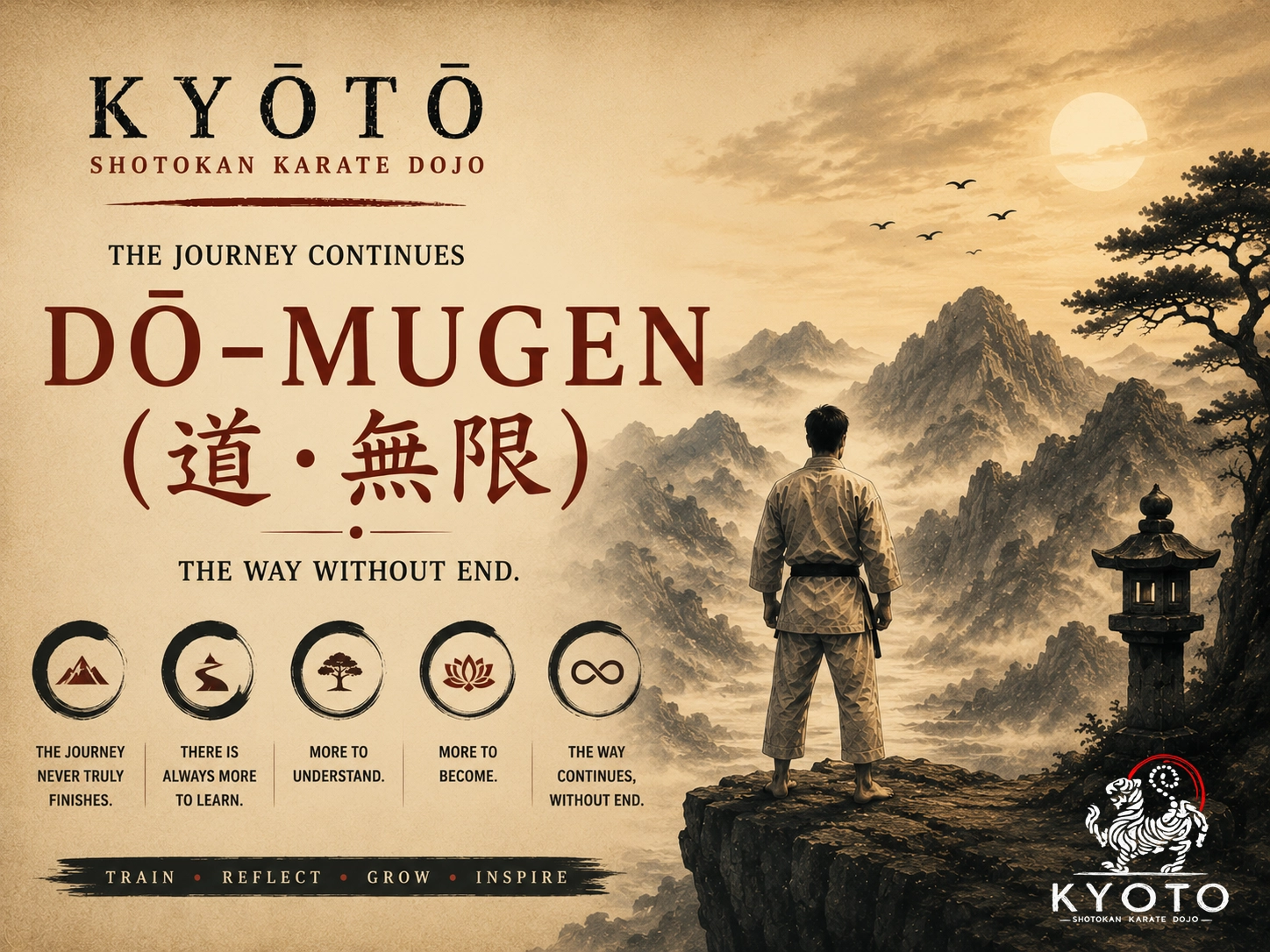
In traditional karate, black belt is not the end of the journey. Discover the meaning of Dō–Mugen (道・無限) — the way without end, and why karate continues throughout life.